Tres leches (Spanish for “three milks”) cake is a popular Latin American dessert made from a light sponge cake soaked in three types of milk: evaporated milk, sweetened condensed milk, and whole milk (or cream). The milk mixture gives the cake its signature moist texture, creating a dessert that falls somewhere between a traditional cake and a pudding.
I tested this recipe many times (and failed more than once) before developing the final version. My goal was to create a soft, airy sponge cake that absorbs the milk soak without becoming soggy or overly sweet. Since sugar contributes to a cake’s structure, as well as its sweetness, finding the right balance took plenty of testing. The result is a light, tender sponge that fully absorbs the milk soak without being sickeningly sweet.
FAQ
Why did my tres leches cake sink in the middle?
A properly made tres leches sponge should rise in the oven and maintain most of its structure as it cools. Some slight shrinking is normal, but a significant collapse usually means the sponge didn’t develop enough structure. This can happen if the batter was overmixed or if the whipped egg whites deflated during folding.
I specifically tested this recipe to create a sponge that stays light and airy while still being strong enough to absorb the milk soak without getting soggy.
Why didn’t my tres leches cake absorb the milk?
Tres leches cake may struggle to absorb the milk soak if the sponge is too dense, too moist, underbaked, or doesn’t have enough holes to allow the liquid to distribute evenly.
Adding too much flour or overmixing the batter can create a dense cake with a tighter crumb that doesn’t absorb liquid well. Similarly, an underbaked cake already contains excess moisture, making it more difficult for the milk mixture to penetrate the sponge.
Finally, make sure you poke plenty of evenly spaced holes throughout the cake and give the milk mixture enough time to fully absorb.
Why is my tres leches cake dense or chewy instead of light and fluffy?
A dense or chewy tres leches cake is usually caused by too much flour or overmixing the batter. To avoid this, carefully measure your flour using the spoon-and-level method, and be gentle when folding the whipped egg whites into the batter.
The goal is to keep as much air in the batter as possible while still fully incorporating the ingredients.
Why is there milk pooling at the bottom of my tres leches cake?
Some liquid pooling at the bottom of the pan is normal with tres leches cake, but excessive pooling can happen if the sponge is too dense to absorb the milk mixture or if there aren’t enough holes to help distribute the liquid evenly.
Make sure the holes are evenly spaced throughout the cake and allow enough time for the sponge to absorb the milk before serving.
How long should I let tres leches cake soak before serving?
I recommend allowing the cake to soak in the refrigerator for at least 3 hours, though overnight is even better. The extra time allows the milk mixture to gradually distribute throughout the sponge, for a more evenly soaked, flavorful cake.
Can I make tres leches cake ahead of time?
Absolutely! In fact, tres leches cake is one of those desserts that often has an even better texture after resting overnight. Making it a day ahead allows the milk mixture more time to fully absorb into the sponge and develop its signature texture.
Just keep the cake tightly covered with plastic wrap and store it in the refrigerator until ready to serve.

Preparing the Cake Pan and the Dry Ingredients
Preheat your oven to 350℉.
Grease the bottom (but not the sides) of a 9″ x 13″ x 2″ cake pan with melted butter or vegetable oil. Set aside.
In a medium-sized bowl, whisk together the flour, baking powder, kosher salt, and cinnamon. Set aside.

Prepare the Egg Yolk Mixture
In a second, large bowl, combine the egg yolks with ⅔ cup of the granulated sugar. Using an electric hand mixer (or whisk), beat the egg yolk mixture until it becomes thick, pale yellow, and forms a slowly dissolving ribbon on the surface when you lift your whisk out of the mixture. Set aside.

Prepare the Egg White Mixture
In a third large bowl (or the bowl of an electric stand mixer), whisk the egg whites until they begin to foam. Then, sprinkle in the cream of tartar followed by the remaining 2 Tbsp of granulated sugar, and continue to whip until medium-stiff peaks form. Set aside.

Preparing and Baking the Cake
Whisk the vanilla and whole milk into the egg yolk mixture until well combined, scraping down the sides of the bowl with a rubber spatula as necessary.
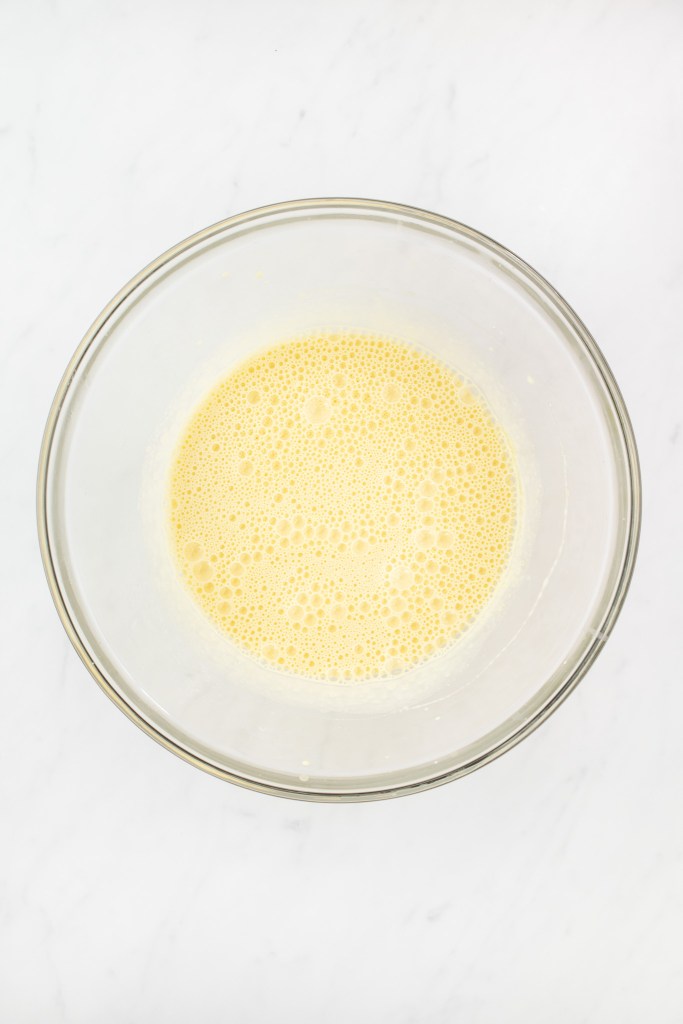
Sift in the dry ingredients, half at a time, and mix with your electric hand mixer (or whisk) just until combined.
Note: Kosher salt may not pass through the wires of a sifter. Make sure to invert and pour in the salt into the batter after the flour is sifted through.
Pro tip: It is very important for this type of cake not to over-mix. Over-mixing the batter will lead to gluten development which can make the cake tough and unable to absorb the milk soak!
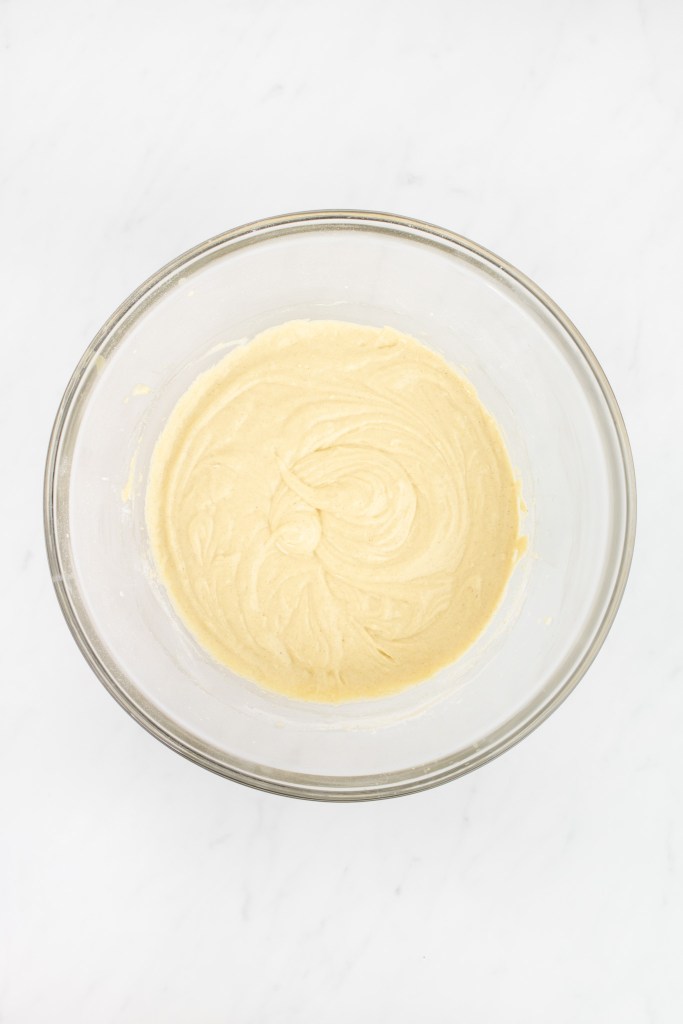
Next, using a rubber spatula, fold in ¼ of the egg whites into the batter. You can be less gentle here, as this is simply to lighten the batter to make it easier to incorporate the remaining egg whites.
Fold in the remaining egg whites (in two additions), just until incorporated, but ensuring that no streaks of the egg whites remain.
Important: This is the trickiest part of this type of cake. The egg whites must be evenly distributed throughout the batter or you will be left with dense patches throughout the cake (where the egg whites didn’t combine). On the other hand, over-folding can deflate the egg whites and make the entire cake dense.

Pour the finished batter into your prepared cake pan. Smooth the top with an offset spatula (or the back of a spoon) and tilt the pan in all directions so the batter fills in all of the corners and moves up the sides about ½” above the batter line.

Place the pan into the centre of the oven and bake for about 25 to 28 minutes, until the cake is nice and golden brown, springs back when pressed gently, and a toothpick inserted into the center comes out clean.
Note: It is very important for this recipe for the cake to be fully baked. It is better to overbake than to underbake, as a drier cake absorbs the milk soak much more effectively.

Remove the cake from the oven, and cool it upside down in the pan on a wire baking rack. This is to prevent it from collapsing. Don’t worry, the cake won’t fall out!
Allow the cake to cool completely — at least one hour.

Soaking the Cake
In a large glass measuring cup or pitcher, whisk together the sweetened condensed milk, evaporated milk, whole milk, and rum (as desired).
Note: For a less sweet cake, discard 2 tablespoons of the sweetened condensed milk and replace it with 2 tablespoons of whole milk.
Rum: If adding rum, I recommend adding it in 1 Tbsp at a time and tasting with each addition until it’s to your liking!

Run a knife around the edges of the cake. Using a fork or wooden skewer, poke holes throughout the entire cake. (Don’t worry about the appearance; the more holes, the better to allow for optimal soak absorption!)

Slowly pour the milk mixture over top of the cake, about ½ cup of the mixture at time, waiting for each pour to absorb.
Note: After a couple additions, I recommend poking a few areas around the cake to feel for resistance — the more resistance, the more soak needed in that area.

Once the liquid is fully absorbed, allow the whole thing to sit at room temperature for 20 minutes.
Cover the cake with plastic wrap and place it in the fridge for at least 3 hours, but ideally overnight.
Pro tip: Improper mixing of the batter, not enough holes poked into the cake or not letting the cake soak for long enough can lead to uneven moisture distribution and dry spots. You can fix this by drizzling a small amount of additional whole milk over any problem areas just before serving!
Preparing the Toppings and Serving
For the whipped cream, combine the heavy cream, powdered sugar and vanilla into a large bowl and whip with an electric handheld mixer until desired thickness (I prefer it lightly whipped for this recipe).
For the berries, combine the berries in a large bowl and sprinkle over 2 to 3 Tbsp of granulated sugar (depending on the sweetness of your berries).
Cut and serve the cake with berries on the side and a dollop of whipped cream. Store any leftovers in the fridge for up to 3 days.
Tres Leches Cake

Ingredients
For the Cake
- 1 ½ cups all-purpose flour (spooned and leveled)
- 2 ¼ tsp baking powder
- 1 tsp kosher salt (I use Diamond Crystal)
- ½ tsp ground cinnamon
- ⅔ cup + 2 Tbsp granulated sugar, divided
- 6 large eggs, at room temperature (separated into whites and yolks)
- ½ tsp cream of tartar
- 2 tsp pure vanilla extract
- ½ cup whole milk, at room temperature
- Unsalted butter, melted, or vegetable oil (for greasing the pan)
For the Milk Soak
- 1 can (14 oz; 300 mL) sweetened condensed milk
- 1 can (12 oz; 354 mL) evaporated milk
- ½ cup whole milk
- 1–2 Tbsp good-quality dark rum (optional)
For the Whipped Cream Topping
- 1 ½ cup heavy cream, chilled
- 3 Tbsp powdered (icing) sugar
- Scraped seeds of 1 vanilla bean or 1 tsp pure vanilla extract
For the Mixed Berries
- 2 lbs fresh strawberries, quartered
- ½ pint fresh blueberries
- ½ pint fresh raspberries
- 2–3 Tbsp granulated sugar
Instructions
Preparing the Cake Pan and the Dry Ingredients
- Preheat the oven to 350℉.
- Grease the bottom (but not the sides) of a 9" x 13" x 2" cake pan with melted butter or vegetable oil. Set aside.
- In a medium-sized bowl, whisk together the flour, baking powder, salt, and cinnamon. Set aside.1 ½ cups all-purpose flour2 ¼ tsp baking powder1 tsp kosher salt½ tsp ground cinnamon
Preparing the Egg Yolk Mixture
- In a large bowl, combine the egg yolks and ⅔ cup of the granulated sugar. Using an electric hand mixer (or a whisk), beat until the mixture becomes thick, pale yellow, and forms a ribbon that slowly dissolves back into the batter when the whisk is lifted out of the mixture. Set aside.
Preparing the Egg White Mixture
- In a second large bowl (or the bowl of a stand mixer), beat the egg whites until they begin to foam. Sprinkle in the cream of tartar, then gradually add the remaining 2 Tbsp of granulated sugar. Continue beating until medium-stiff peaks form. Set aside.½ tsp cream of tartar
Preparing and Baking the Cake
- Into the bowl with the egg yolk mixture, add the vanilla and whole milk and whisk until well combined, scraping down the sides of the bowl with a rubber spatula as needed.2 tsp pure vanilla extract½ cup whole milk, at room temperature
- Sift in the dry ingredients, half at a time, mixing with the electric hand mixer (or whisk) just until combined.Note: Kosher salt may not pass through the wires of the sifter. If so, simply sift the flour mixture through, then dump the remaining salt crystals from the sifter directly into the batter.Pro tip: Avoid overmixing the cake batter. Overmixing develops gluten, which can make the cake tough and reduce its ability to absorb the milk soak.
- Using a rubber spatula, fold in ¼ of the whipped egg whites. (You don't need to be too gentle at this stage; the first addition simply lightens the batter and makes it easier to incorporate the remaining egg whites.)
- Fold in the remaining egg whites in two additions, just until incorporated, ensuring that no streaks of the egg whites remain.Important: This is the trickiest step. The egg whites must be evenly distributed throughout the batter or the finished cake may have dense patches (where the egg whites didn’t combine). At the same time, avoid over-folding, which can deflate the egg whites and make the entire cake dense.
- Pour the batter into the prepared cake pan. Using an offset spatula (or the back of a spoon), smooth the surface. Gently tilt the pan in all directions so the batter fills in all of the corners and climbs about ½" up the sides of the pan.
- Bake in the center of the oven until the cake is golden brown, springs back when gently pressed, and a toothpick inserted into the center comes out clean (about 25 to 28 minutes).Note: It is very important for the cake to be fully baked. It's better to slightly overbake than underbake, as a drier cake absorbs the milk soak much more effectively.
- Remove the cake from the oven, then cool it upside down in the pan on a wire rack. (This helps prevent the cake from collapsing. Don't worry, it won’t fall out of the pan!)
- Allow the cake to cool completely (at least one hour).
Soaking the Cake
- In a large glass measuring cup or pitcher, whisk together the sweetened condensed milk, evaporated milk, whole milk, and rum (if using).Note: For a less sweet cake, discard 2 tablespoons of the sweetened condensed milk and replace it with 2 tablespoons of whole milk.Rum: If using rum, I recommend adding it in 1 Tbsp at a time, tasting after each addition until the flavor is to your liking.1 can (14 oz; 300 mL) sweetened condensed milk1 can (12 oz; 354 mL) evaporated milk½ cup whole milk1–2 Tbsp good-quality dark rum
- Run a knife around the edges of the cooled cake. Using a fork or wooden skewer, poke holes all over the surface of the cake. (Don’t worry about the appearance; the more holes, the better the milk soak will absorb.)
- Slowly pour the milk mixture over the cake, about ½ cup at a time, allowing each addition to soak in before adding more.Note: After a few additions, I recommend using the fork or wooden skewer to poke around the cake to feel for resistance. Areas that feel more resistant may simply need a little more soak.
- Once all of the milk mixture has been absorbed, allow the cake to rest at room temperature for 20 minutes.
- Cover the cake with plastic wrap and refrigerate it for at least 3 hours, but ideally overnight.Pro tip: Uneven moisture distribution or dry spots are usually caused by improper mixing of the batter, not poking enough holes, or not allowing enough soaking time. If needed, drizzle a small amount of additional whole milk over any dry areas just before serving.
Preparing the Toppings and Serving
- For the whipped cream, combine the heavy cream, powdered sugar, and vanilla in a large bowl. Beat with an electric hand mixer until it has reached the desired consistency. (For this recipe, I prefer it only lightly whipped.)1 ½ cup heavy cream, chilled3 Tbsp powdered (icing) sugarScraped seeds of 1 vanilla bean or 1 tsp pure vanilla extract
- For the mixed berries, combine the fresh strawberries, blueberries, and raspberries in a separate bowl and sprinkle with granulated sugar (adjusting the amount depending on their sweetness).2 lbs fresh strawberries, quartered½ pint fresh blueberries½ pint fresh raspberries2–3 Tbsp granulated sugar
- Cut and serve the cake with a generous dollop of whipped cream and the berries on the side.
- Store any leftovers covered in the fridge for up to 3 days.