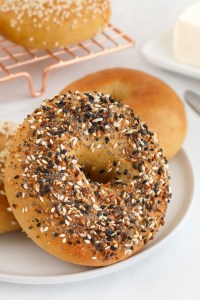
Homemade bagels are a fun weekend baking project and only require a handful of ingredients. Traditionally, bagels are made with barley malt syrup, which gives them their distinctive flavor and helps them develop a nicely browned crust. It can be tricky to find (I usually have to order it online), but molasses works as a substitute if you can’t find it.
There are a few tricks to making bagels at home, so I’ve included plenty of tips throughout the recipe to help you get the best results. I like to prepare the dough the night before, then shape, boil, and bake the bagels the next morning. If you’re new to the process, I also recommend working in smaller batches (of 6) to make things easier to manage.
A Note About Everything Bagel Seasoning
I’ve also included my homemade everything bagel seasoning blend. Though the proportions of the ingredients aren’t super important, I do recommend making your own rather than using a store-bought blend. Many store-bought everything bagel seasonings contain dried garlic and onion that are already toasted and browned, making them more likely to burn in the oven.
FAQ
Do I need barley malt syrup to make bagels?
Barley malt syrup gives bagels their classic flavor and helps develop their characteristic golden-brown crust. It’s a traditional ingredient in bagel dough, but it can be tricky to find in grocery stores (I usually need to buy it online). If you can’t find it, you can substitute it with molasses, although the flavor will be slightly different.
Can I use all-purpose flour instead of bread flour to make bagels?
Yes, you can use all-purpose flour, but the bagels may not be quite as chewy. Bread flour has a higher protein content, which helps develop the gluten structure responsible for the classic chewy texture of bagels. For the best results, I recommend using bread flour for this recipe.
Why do you boil bagels before baking them?
Boiling bagels before baking helps set their shape and gives them their signature chewy texture and shiny crust.
Why do my bagels have small holes in the middle?
Bagel holes tend to shrink as the dough rests and bakes, so it’s important to make them larger than you think they need to be. After shaping, let the bagels rest for 5 minutes to relax the gluten, then stretch the holes back to about 2” in diameter. The dough may spring back a little, but do your best to maintain a decent-sized opening.
Why won’t the seasoning stick to my bagels?
The toppings need moisture to stick to the bagels. If you’re boiling multiple batches and the first bagels have dried out, lightly brush the tops with a little of the cooking liquid before sprinkling on the seasoning.
Can I make homemade bagels ahead of time?
Yes! I recommend preparing the dough the day before and refrigerating it overnight. This makes the process easier to manage and gives the dough more time to develop flavor. The next day, you can shape, boil, and bake the bagels as directed.
Can I freeze homemade bagels?
Yes! Allow the bagels to cool completely, then place them in an airtight container or freezer-safe bag and freeze for up to 3 months. When ready to serve, thaw at room temperature, then slice and toast them in a toaster or oven.
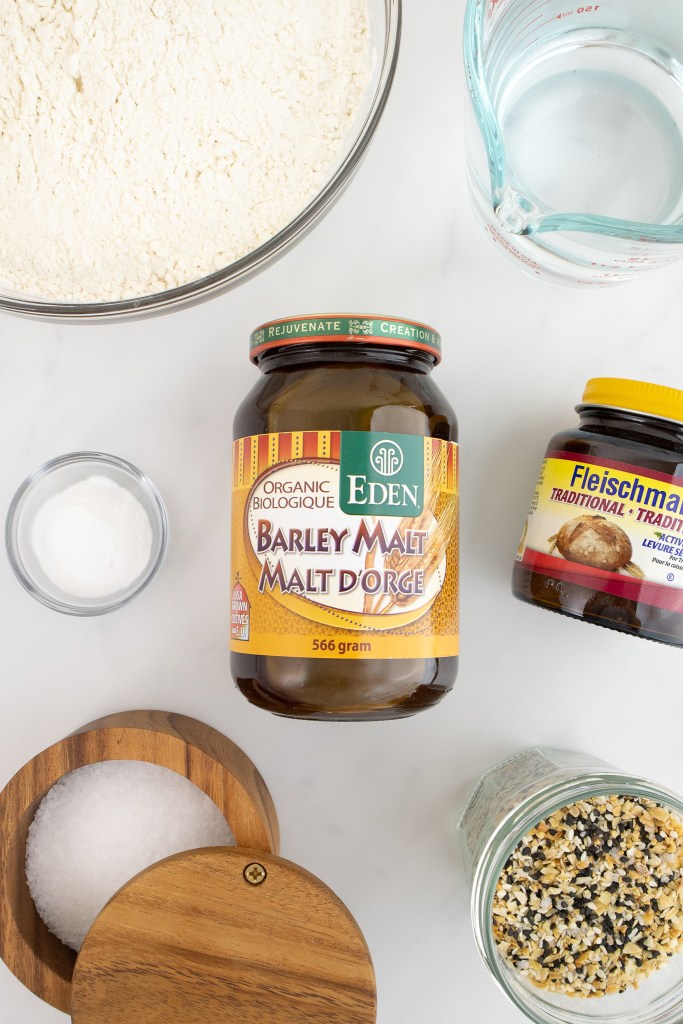
Preparing the Bagel Dough (can be done the night before)
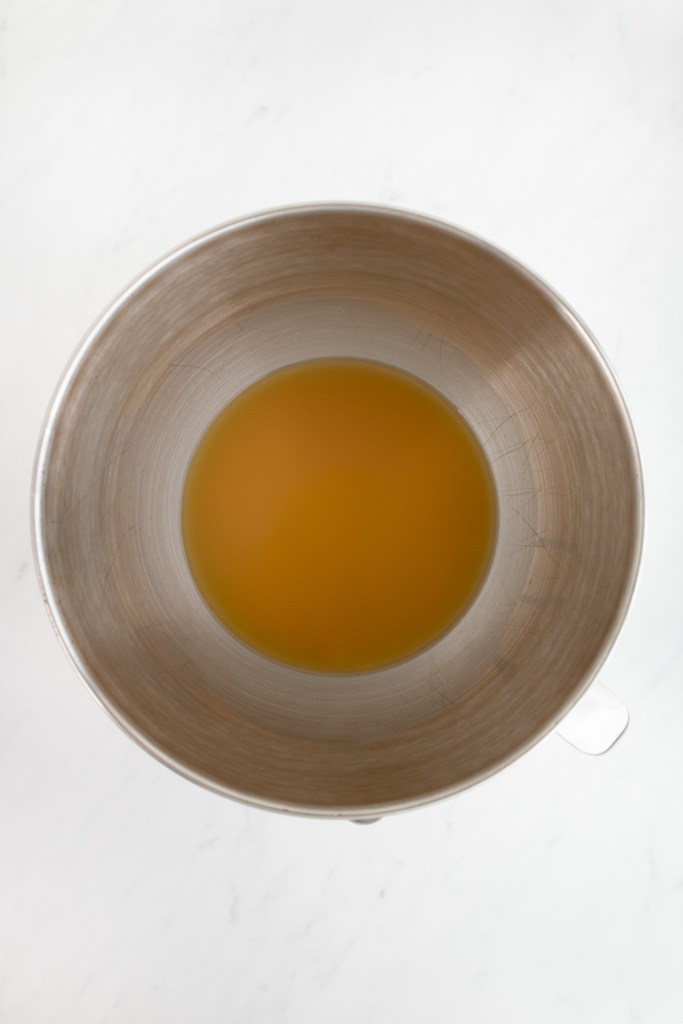
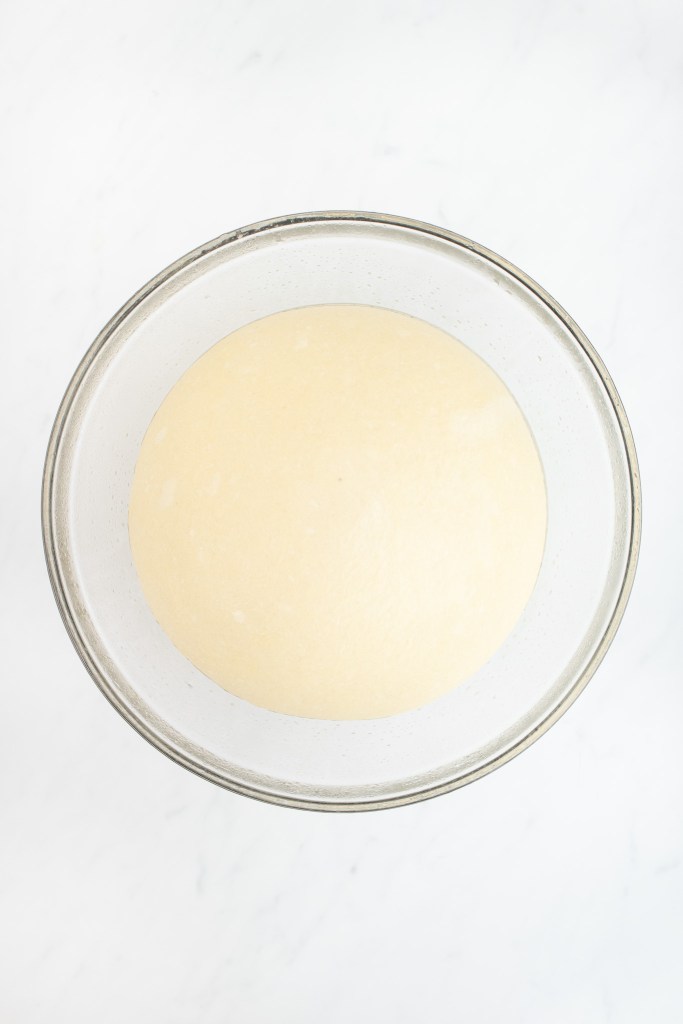
In the bowl of a stand mixer, whisk together the lukewarm water and barley malt syrup, followed by the yeast. Allow the mixture to sit for 5 to 10 minutes, whisking occasionally to dissolve the yeast.
Note: It will likely not foam as proofed yeast typically does. Instead, watch closely for bubbling and movement in the liquid to confirm the yeast is active.
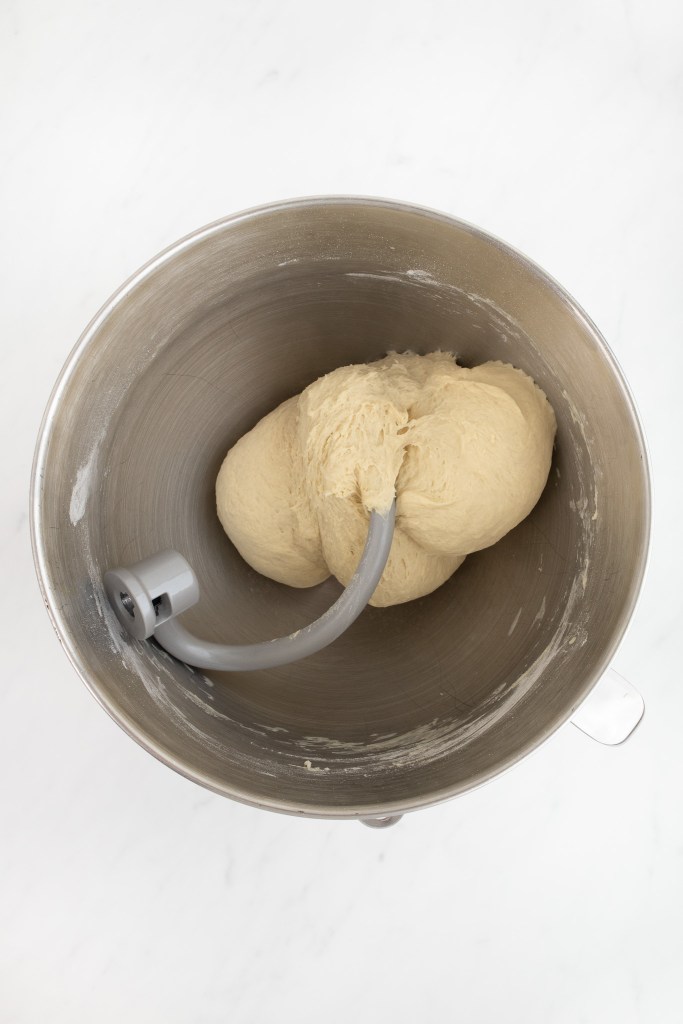
Next, add in the flour and salt, and mix with a rubber spatula until a shaggy dough forms — this will give your mixer a head start.

Using the dough hook attachment, mix the dough on the lowest speed setting for exactly 5 minutes, until it forms a relatively smooth mass.
Empty the dough out onto the counter and knead by hand for 2 to 3 minutes, until the dough is elastic and forms a smooth ball.
Note: the dough will be tacky but not overly sticky. When properly kneaded, you should be able to poke it with your finger and have it spring back.
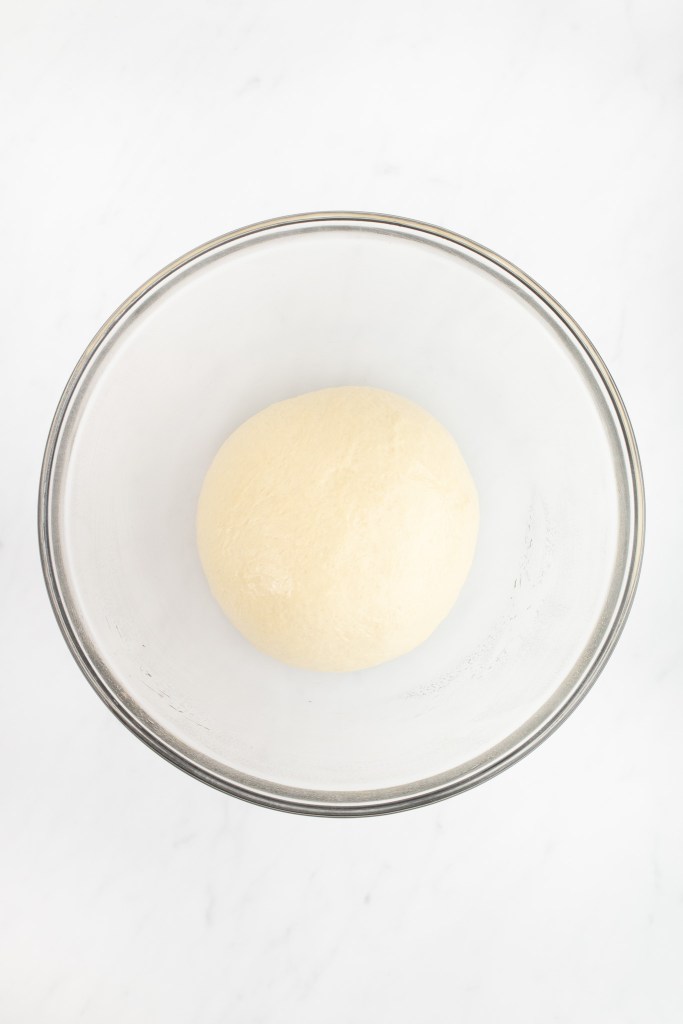
Transfer the ball of dough into a lightly greased bowl, cover with plastic wrap, then place it in the fridge to rise for at least 4 hours, but ideally overnight.
Shaping and Baking the Bagels
Preheat the oven to 450℉ and line a baking sheet with parchment paper lightly greased with vegetable oil.
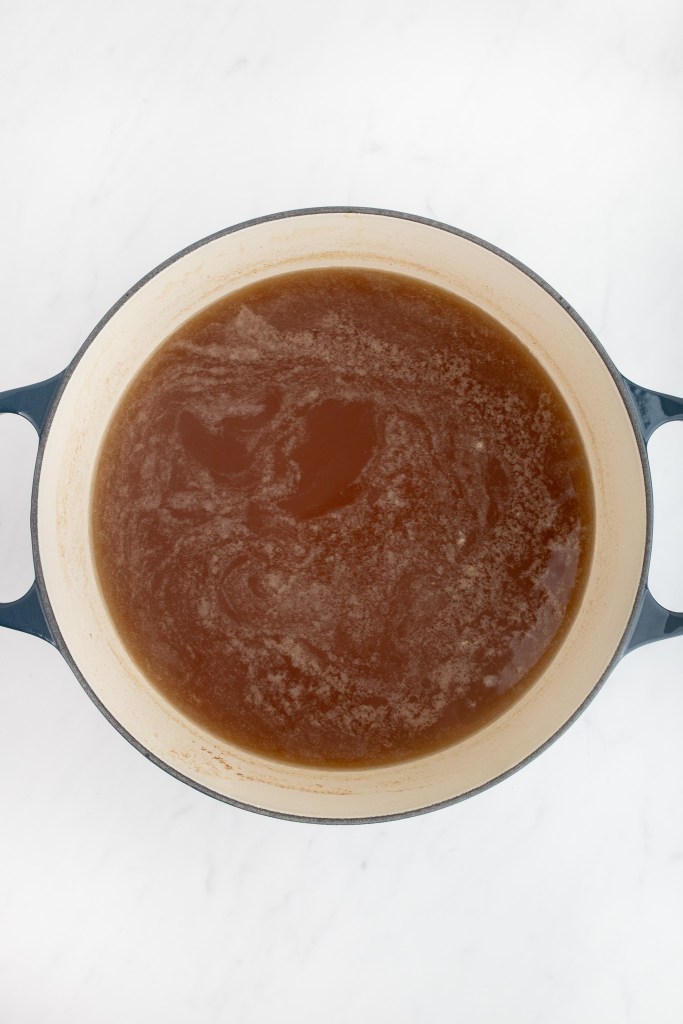
In a large pot over low heat, gently simmer the water, barley malt syrup (or molasses), and baking soda. You won’t need the water bath just yet, but it’s helpful to get it started ahead of time.
Note: The baking soda will cause the mixture to bubble and foam. Just keep stirring until the foam dissipates.
Remove the dough from the fridge and punch it down to deflate it and remove any air bubbles.
Pro tip: I like to cut the dough in half and return half to the fridge, making 6 bagels at a time. Although it takes a little longer, I find this less overwhelming and strongly recommend it if you’re making bagels for the first time. If you’re comfortable working quickly, you can shape all 12 at once.
Divide the dough into 12 equal pieces (or 6, if working with half the dough). If you have a kitchen scale, weigh the dough and divide the total weight by the number of bagels to ensure they’re evenly sized.
Shape each piece into a ball, pinching the seams together and rolling it on the counter to smooth the surface.
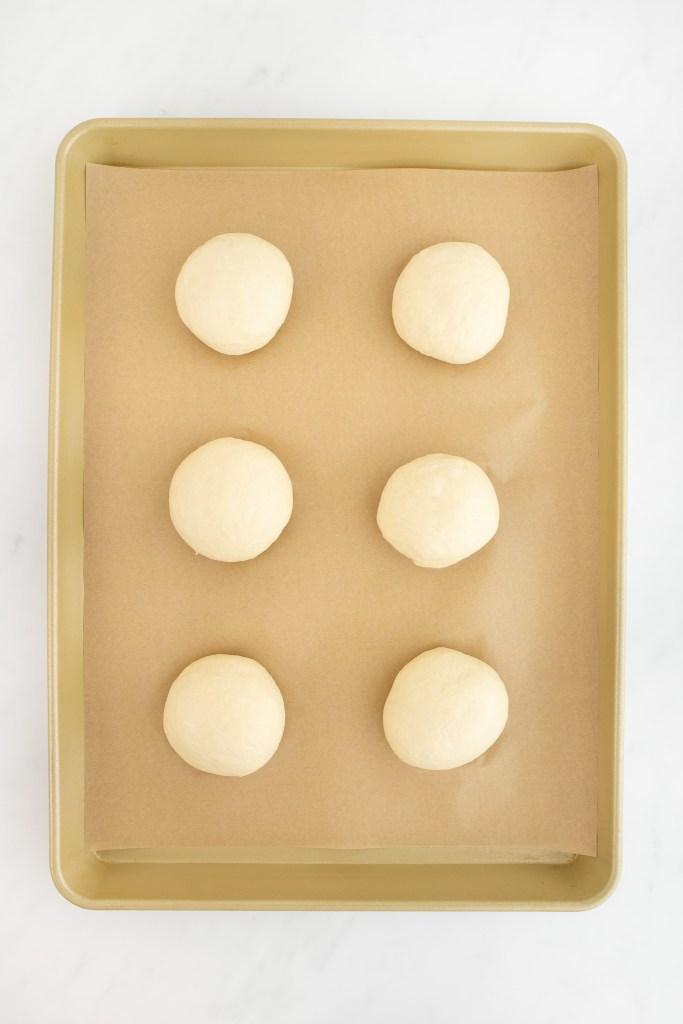
Use your thumb to make a hole in the centre of each ball, then gently widen it with your fingers. Place the bagels on your prepared baking sheet, using two sheets if making all 12 at once.


Let the bagels rest for 5 minutes to relax the gluten, then stretch each hole again until it’s about 2″ in diameter (larger than you might think).
Pro tip: The dough will likely spring back as you stretch it. Do your best, but don’t worry about getting it perfect. Trust the process!
Loosely cover the bagels with a kitchen towel or plastic wrap, then let them proof at room temperature for 20 minutes. Meanwhile, make sure your water bath is at a simmer and prepare your desired seeds or toppings.
Working in batches of 3 or 4, gently place the bagels in the simmering water. Simmer for 30 seconds, flip, then simmer for another 30 seconds. Transfer to a wire rack to drain.
Return the bagels to your parchment-lined baking sheet and sprinkle with your desired toppings.
Note: If you’ve boiled all 12 bagels at once, some of the cooking liquid may have dried from the first batch. If needed, brush a little of the liquid onto the tops to help the seeds stick.

Bake on the center rack for 8 minutes (use the upper and lower thirds of the oven if baking two sheets at once). Reduce the temperature to 400℉, rotate the baking sheet(s), then bake for another 15 minutes, or until the bagels are nicely browned with a hard, crisp outer crust.

Remove the bagels from the oven and let them cool for 15 minutes before transferring them to a wire rack to cool completely. If baking in batches of 6, increase the oven temperature back to 450℉ and repeat the shaping and baking process with the remaining dough.
Store the cooled bagels in an airtight container at room temperature. Toast in a toaster or oven before serving.
Homemade Bagels

Ingredients
- 6 cups (780g) bread flour (spooned and leveled)
- 2 cups (480g) lukewarm water (100–110℉)
- 1 ½ Tbsp barley malt syrup (this is what I use and recommend, or substitute with molasses; see Note 1)
- 1 tsp active dry yeast
- 4 tsp kosher salt (I use Diamond Crystal; use 2 tsp if using Morton or table salt)
- Vegetable oil (for greasing)
For Boiling
- 12 cups water
- ¼ cup barley malt syrup
- 2 tsp baking soda
For the Homemade Everything Bagel Seasoning (makes ¾ cup)
- 3 Tbsp white sesame seeds
- 3 Tbsp black sesame seeds
- 2 Tbsp poppy seeds
- 2 Tbsp dried minced garlic
- 2 Tbsp dried minced onion
- 1 ½ tsp flaky sea salt or fleur de sel (plus more to taste)
Instructions
Preparing the Bagel Dough (can be done the night before)
- In the bowl of a stand mixer, whisk together the lukewarm water and barley malt syrup, followed by the yeast. Allow the mixture to sit for 5 to 10 minutes, whisking occasionally to dissolve the yeast.Note: The mixture will likely not foam as proofed yeast typically does. Instead, watch closely for bubbling and movement in the liquid to confirm the yeast is active.2 cups (480g) lukewarm water1 ½ Tbsp barley malt syrup1 tsp active dry yeast
- Add in the flour and salt, then mix with a rubber spatula until a shaggy dough forms — this will give your mixer a head start.6 cups (780g) bread flour4 tsp kosher salt
- Using the dough hook attachment, mix the dough on the lowest speed setting for exactly 5 minutes until it forms a relatively smooth mass.
- Empty the dough out onto the counter and knead by hand until the dough is elastic and forms a smooth ball (about 2 to 3 minutes).Note: The dough will be tacky but not overly sticky. When properly kneaded, you should be able to poke it with your finger and have it spring back.
- Transfer the ball of dough into a lightly greased bowl, cover with plastic wrap, and place it in the refrigerator to rise for at least 4 hours (but ideally overnight).
Shaping and Baking the Bagels
- Preheat the oven to 450℉ and line a baking sheet with parchment paper lightly greased with vegetable oil.
- In a large pot over low heat, prepare the water bath by bringing the water, barley malt syrup (or molasses), and baking soda to a gentle simmer. (You won't need it just yet, but it's helpful to get it started ahead of time.)Note: The baking soda will cause the mixture to bubble and foam. Just keep stirring until the foam dissipates.12 cups water¼ cup barley malt syrup2 tsp baking soda
- Meanwhile, remove the dough from the refrigerator and punch it down to deflate it and remove any air bubbles.Pro tip: I like to cut the dough in half and return one half to the refrigerator, making 6 bagels at a time. Although it takes a little longer, I find this less overwhelming and strongly recommend it if you're making bagels for the first time. If you're comfortable working quickly, you can shape all 12 at once.
- Divide the dough into 12 equal pieces (or 6, if working with half the dough). If you have a kitchen scale, weigh the dough and divide the total weight by the number of bagels to ensure they are evenly sized.
- Shape each piece into a ball, pinching the seams together and rolling it on the counter to smooth the surface.
- Use your thumb to make a hole in the center of each ball, then gently widen it with your fingers. Place the bagels on your prepared baking sheet, using two sheets if making all 12.
- Let the bagels rest for 5 minutes to relax the gluten, then stretch each hole again until it's about 2" in diameter (larger than you might think).Pro tip: The dough will likely spring back as you stretch it. Do your best, but don't worry about getting it perfect. Trust the process!
- Loosely cover the bagels with a kitchen towel or plastic wrap and let them proof at room temperature for 20 minutes. Meanwhile, ensure the water bath is at a simmer and prepare your desired seeds or toppings.
- Working in batches of 3 or 4, gently place the bagels in the simmering water. Simmer for 30 seconds, flip, and simmer for another 30 seconds. Transfer to a wire rack to drain.
- Return the bagels to your parchment-lined baking sheet and sprinkle with your desired toppings.Note: If you have boiled all 12 bagels at once, some of the cooking liquid may have since dried from the first batch. If needed, brush a little of the liquid onto the tops to help the seeds stick.
- Bake on the center rack of the oven for 8 minutes (use the upper and lower thirds of the oven if baking two sheets at once). Reduce the temperature to 400℉, rotate the baking sheet(s), and bake until the bagels are nicely browned with a hard, crisp outer crust (about 15 minutes more).
- Remove the bagels from the oven and let them cool for about 15 minutes before transferring them to a wire rack to cool completely. If baking in batches of 6, increase the oven temperature back to 450°F and repeat the shaping and baking process for the remaining dough.
- Store the cooled bagels in an airtight container at room temperature. Toast in a toaster or oven before serving.
Notes
- Barley Malt Syrup: This is what gives bagels their classic, traditional flavor. Because it can be tricky to find in local grocery stores, I usually order it online. If you prefer, you can substitute it with molasses.
- Everything Bagel Seasoning: I highly recommend making your own blend rather than buying store-bought. Many store-bought blends use pre-browned dried garlic and onion, which can easily burn in the oven (and make the seasoning taste bitter). Using un-browned, raw dried garlic and onion helps prevent this.