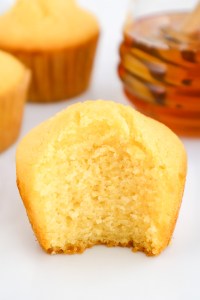
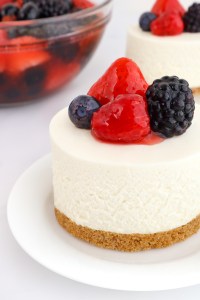
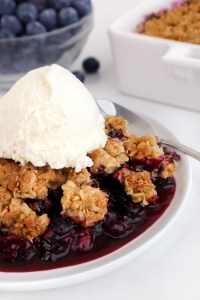
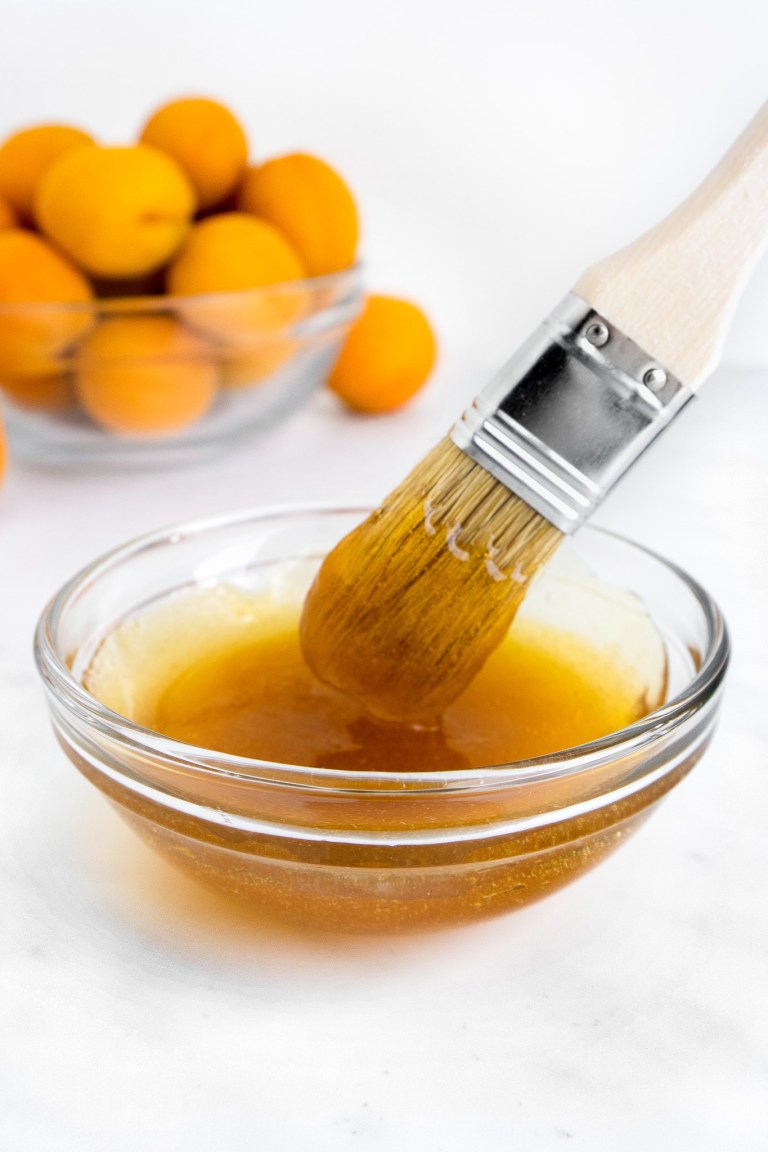
Apricot glaze is a staple of French pastry. It’s incredibly versatile, but is most commonly brushed over fruit tarts and pastries to add shine and help keep fresh fruit looking its best. It can also be brushed onto cake layers to add moisture and flavor, or used to waterproof pie crusts and tart shells before filling. In fact, Julia Child once joked that French patisserie, in its entirety, would go “down the tubes” if anything ever happened to the apricot trees. Thankfully, apricot glaze is super easy to make and will last for weeks in the fridge!
FAQ
What is the best apricot jam to use for apricot glaze?
Because apricot glaze contains so few ingredients, I recommend using a good-quality apricot jam or preserves. That said, any brand from the grocery store will work. Just be sure to taste it first so you can gauge the sweetness. Some apricot jams are slightly tart and may benefit from a little extra sugar, while others can be quite sweet and may require less.
Is cognac necessary to make apricot glaze?
Not at all. Apricot glaze is delicious without it. However, cognac adds a subtle depth of flavour with notes of spice and caramelized fruit that complement the apricots beautifully. I like to always keep a small bottle in the pantry for cooking and baking. It’s surprising how many sweet and savory recipes can be improved with just a splash of cognac.
Do I need to strain apricot glaze?
While not strictly necessary, straining the jam or preserves creates a smoother, more professional-looking glaze by removing any fruit pieces or bits of apricot skin.
Can I use apricot jam instead of apricot preserves?
Yes. Apricot jam and apricot preserves can generally be used interchangeably in this recipe.
How do I thin apricot glaze if it’s too thick?
If your glaze becomes too thick, stir in a small amount of water or cognac while gently warming it. Continue adding liquid, one teaspoon at a time, until it reaches a consistency that can be easily brushed with a pastry brush.
Can I make apricot glaze ahead of time?
Absolutely. Apricot glaze can be made well in advance and stored in an airtight container in the fridge for weeks. When you’re ready to use it, simply warm it gently in a small saucepan until it loosens enough to brush onto your pastries.
How to Make Apricot Glaze
Start by warming your apricot jam until it loosens and becomes more liquid. Then, press the jam through a sieve to remove any lumps or pieces of apricot skin.
In a saucepan, combine the sieved apricot jam with the sugar and cognac. Cook over moderate heat for 3 to 5 minutes, until thickened and sticky (about 225ºF on a candy thermometer).
Use immediately, while warm.
Store any remaining apricot glaze in an airtight container in the fridge and reheat gently on the stove before using.
Apricot Glaze
Ingredients
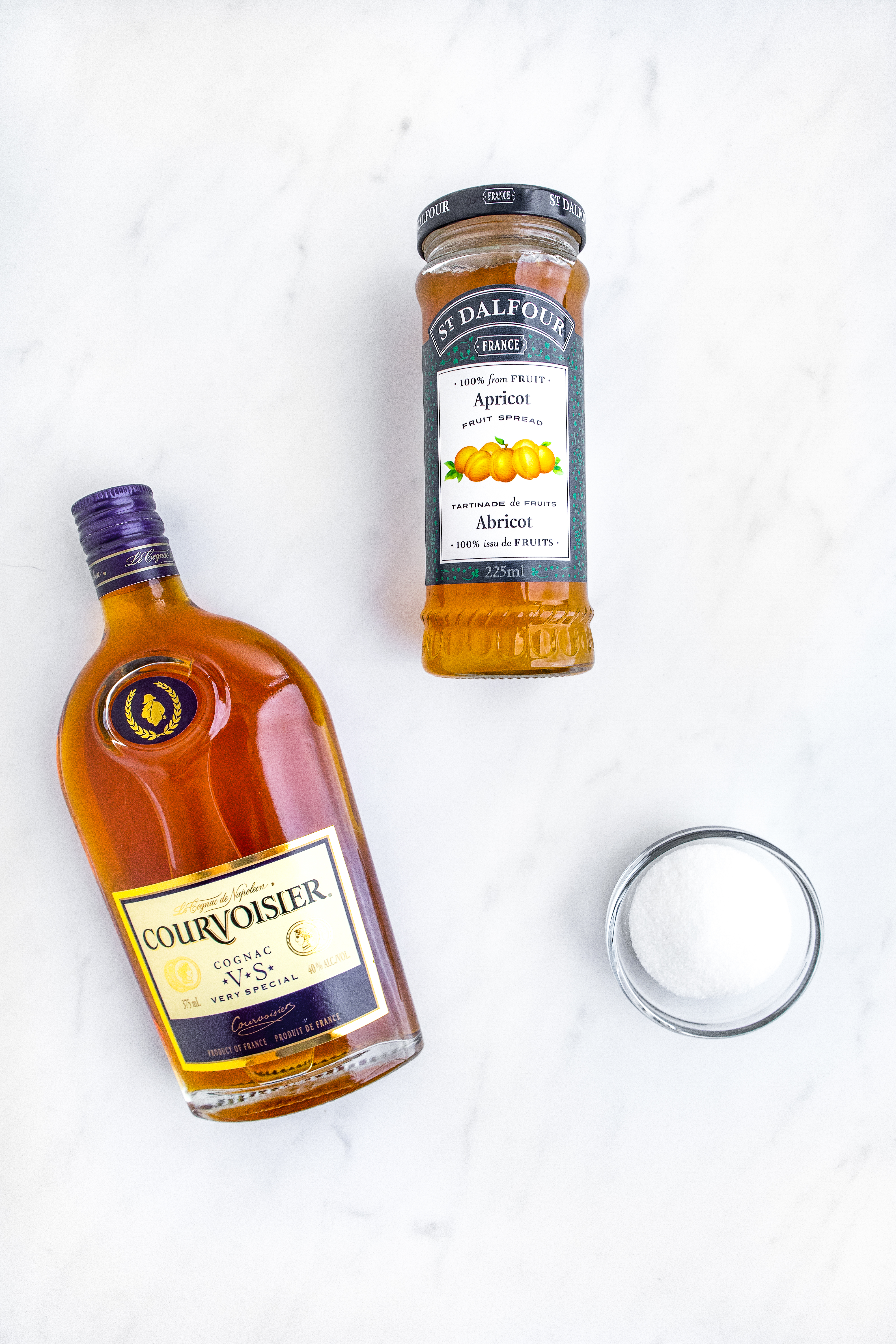
- ½ cup good-quality apricot jam (I like St. Dalfour Apricot Jam)
- 1–2 Tbsp granulated sugar
- 1 Tbsp cognac (optional)
Instructions
- Heat apricot jam so it can easily be pressed through a sieve.½ cup good-quality apricot jam
- Press apricot jam through a sieve to remove any larger pieces of apricot.
- In a saucepan, mix sieved apricot jam, sugar, and cognac.1–2 Tbsp granulated sugar1 Tbsp cognac
- Cook over moderate heat for 3 to 5 minutes, until thickened and sticky.
Notes
- I recommend tasting your apricot jam before making this recipe. Some apricot jams can be slightly tart (and you may want to add more sugar), others may be super sweet (and you can add a little less).
- Be sure to keep the glaze warm while glazing. When it cools, it can be more difficult to spread and doesn’t have as much of a smooth and professional-looking finish.
- Apricot glaze can be stored in the fridge in a glass jar indefinitely and reheated for later use.