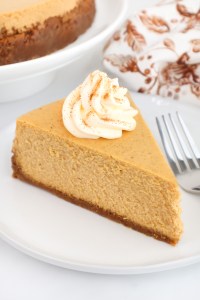
Homemade cheesecake can seem intimidating, but once you understand the basics, it’s actually quite simple to make. This recipe builds on my go-to cheesecake base, with extra tips and a detailed FAQ section to help you avoid common pitfalls and achieve a perfect result every time.
Tips for the Perfect Homemade Pumpkin Cheesecake
- Use room-temperature ingredients: Make sure your cream cheese and other ingredients are at room temperature. This helps produce a smooth filling, free from lumps (which can negatively affect the texture of your cheesecake).
- Avoid over-mixing your filling: Over-beating incorporates too much air, which can cause the cheesecake to crack or collapse. I recommend only mixing on medium speed, and only until the mixture is smooth and all of the ingredients have just combined.
- Bake the cheesecake in a water bath: I always prefer to use a water bath when baking cheesecakes. It helps the cheesecake bake slowly and evenly, and the added moisture helps prevent cracks on the surface.
- Invest in a good springform pan: For best results, I recommend using a high-quality non-stick springform pan (preferably one that is leak-proof) to ensure even baking and to prevent water from seeping in.
- Allow the cheesecake to cool gradually: Cheesecake contracts as it cools, and rapid cooling can cause cracks to form on the surface. Once the cheesecake is done baking, turn off the oven and let it cool slowly in the oven (with the door slightly ajar) for an hour before removing the springform pan from the water bath and transferring it to a wire rack to cool completely.
- Allow the cheesecake to set in the fridge for 24 hours: For the best taste and texture, I recommend making cheesecake a day ahead and allowing it to set and chill overnight in the fridge before serving.
Frequently Asked Questions:
Can I substitute the Biscoff cookie crust for a graham cracker crust?
Yes! But keep in mind that Biscoff cookies behave differently in baking than graham crackers because of their higher fat and sugar content. For a graham cracker crust alternative, check out my Classic Cheesecake recipe.
How do I keep my pumpkin cheesecake from cracking?
Using a water bath (or, alternatively, placing a separate pan of boiling water in your oven just below the cheesecake) provides steam, which helps prevent the surface of your cheesecake from drying out and cracking. Additionally, cheesecake naturally contracts as it cools, so allowing it to cool slowly in the oven (with the door slightly ajar) helps prevent cracks caused by sudden temperature changes.
Why is my pumpkin cheesecake too soft or runny?
Cheesecake can turn out soft or runny if it hasn’t been fully baked or hasn’t set long enough in the fridge. For a denser texture, bake until the center is just slightly jiggly (about 3” from the middle). Using a water bath helps prevent overbaking and cracking, so if in doubt, bake closer to the upper end of the recommended time, depending on your oven. Allowing at least 24 hours in the fridge for the cheesecake to set will also improve the texture.
Can I make pumpkin cheesecake ahead of time?
Absolutely! In fact, cheesecake is one of those desserts that improves in texture and flavor as it sits in the fridge. I actually recommend making it the night before serving, but 1 to 2 days ahead is even better. Once the cheesecake has cooled to room temperature, cover the top of the springform pan with paper towel (to help reduce moisture), then wrap it with plastic wrap and store it in the fridge for up to 3 days.
How do I know when my pumpkin cheesecake is done baking?
The best way to tell when a cheesecake is finished baking is by using the “wobble test”. Using an oven mitt, gently shake the springform pan. The center of the cheesecake should “wobble” slightly (like Jello), but shouldn’t be liquidy. Another thing to look for is the surface: it should wobble as one mass when shaken, without any ripples or sloshing.
Can I freeze pumpkin cheesecake?
Yes! To freeze cheesecake, you can either freeze it directly in the springform pan or on a plate. Wrapped tightly in plastic wrap, it will keep for up to 3 months. Alternatively, you can freeze individual slices by wrapping them tightly in plastic wrap or placing them in a freezer bag. To thaw, simply transfer the cheesecake to the fridge until ready to serve.

How to Make the Perfect Homemade Pumpkin Cheesecake
Preparing the Biscoff Cookie Crust
Preheat your oven to 350℉.
In a food processor, pulse the Biscoff cookies until they form crumbs (but not a fine powder). Alternatively, you can place the cookies in a large resealable plastic bag and break them up using a rolling pin. You need a total of 1 ¾ cups of Biscoff cookie crumbs.
In a large bowl, combine the Biscoff cookie crumbs and melted butter and stir together using a fork. The mixture should have the texture of wet sand.
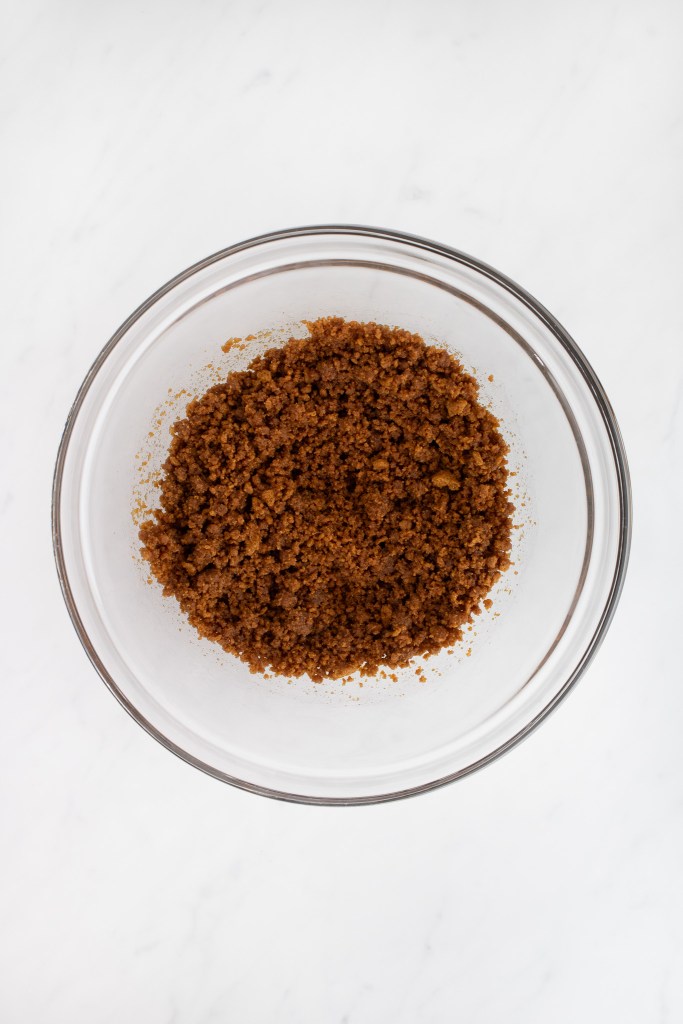
Sprinkle ⅓ to ½ of the mixture around the outer edge of a 9” waterproof springform pan, pressing it gently into the sides of the pan to form an edge about 1” high. (I use the side of my measuring cup to help press the crust in smoothly.)

Sprinkle the remaining Biscoff mixture evenly across the bottom of your springform pan and gently press it down, forming a uniform layer.
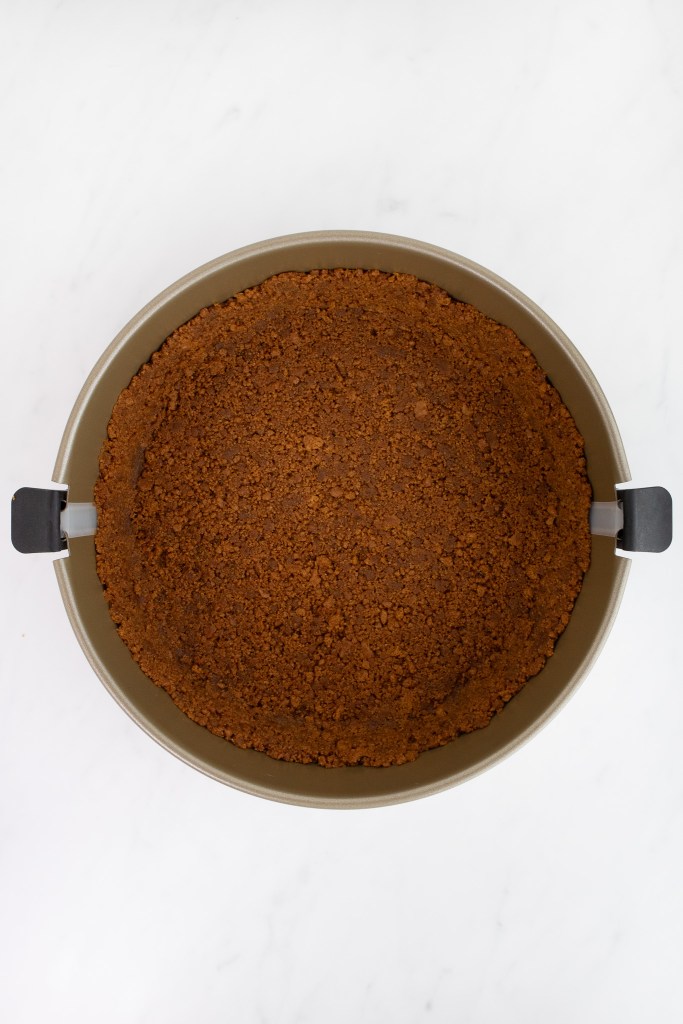
Set the pan into the center of your preheated oven. Bake the crust for 10 to 15 minutes, until it just begins to brown. Set the pan on a wire rack to cool while preparing the cheesecake filling.
Preparing the Pumpkin Cheesecake Filling
Reduce the oven temperature to 325℉ and prepare a large pot or kettle of boiling water (needed later for a water bath).
In the bowl of a stand mixer fitted with the paddle attachment (or in a large bowl using an electric hand mixer), add in the cream cheese and mix on medium speed until smooth and creamy, scraping down the paddle attachment and the sides and bottom of the bowl as necessary.
Pro tip: To prevent lumps from forming, make sure that cream cheese is at least room temperature (if not slightly warm). To warm cream cheese quickly, cut each block into quarters and warm in the microwave for 15- to 20-second intervals until it reaches desired temperature and consistency.

In a medium sized bowl, whisk together the granulated sugar, brown sugar, and cornstarch until no lumps remain.
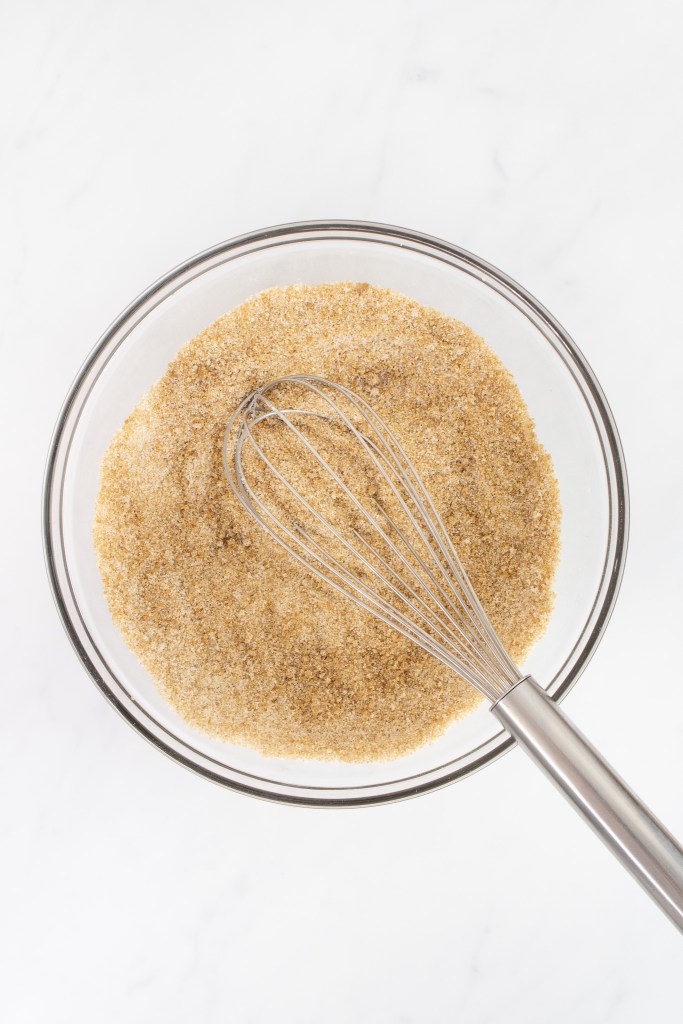
Pour the sugar mixture into the cream cheese and continue to mix on medium speed until perfectly smooth, again scraping down the paddle attachment and the sides and bottom of the bowl as necessary.
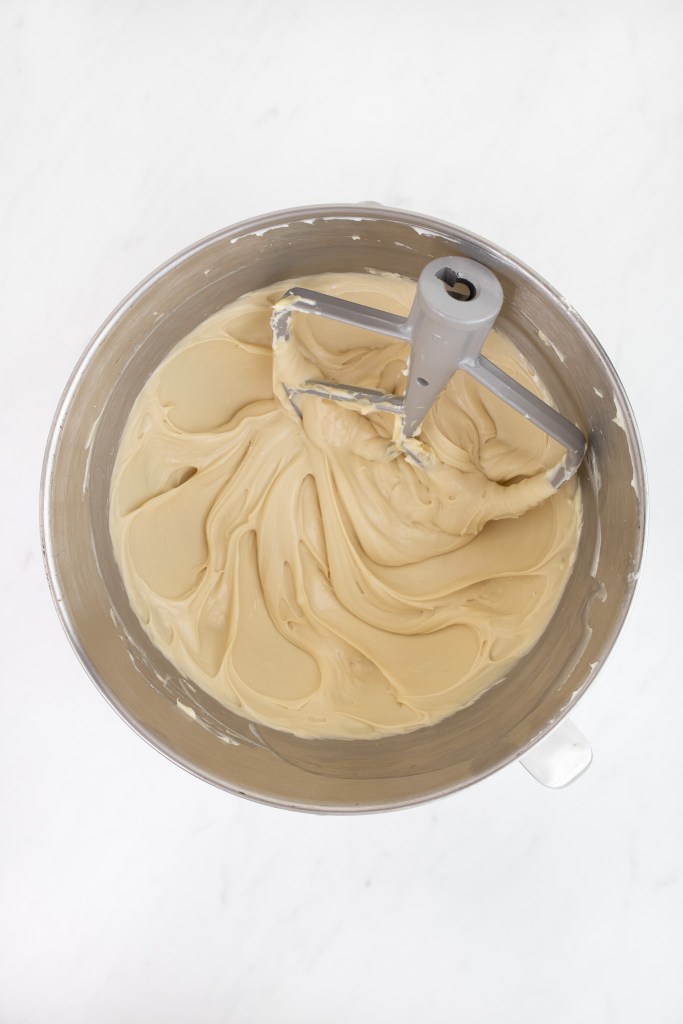
In a small bowl, whisk together the whole eggs and egg yolks with a fork.
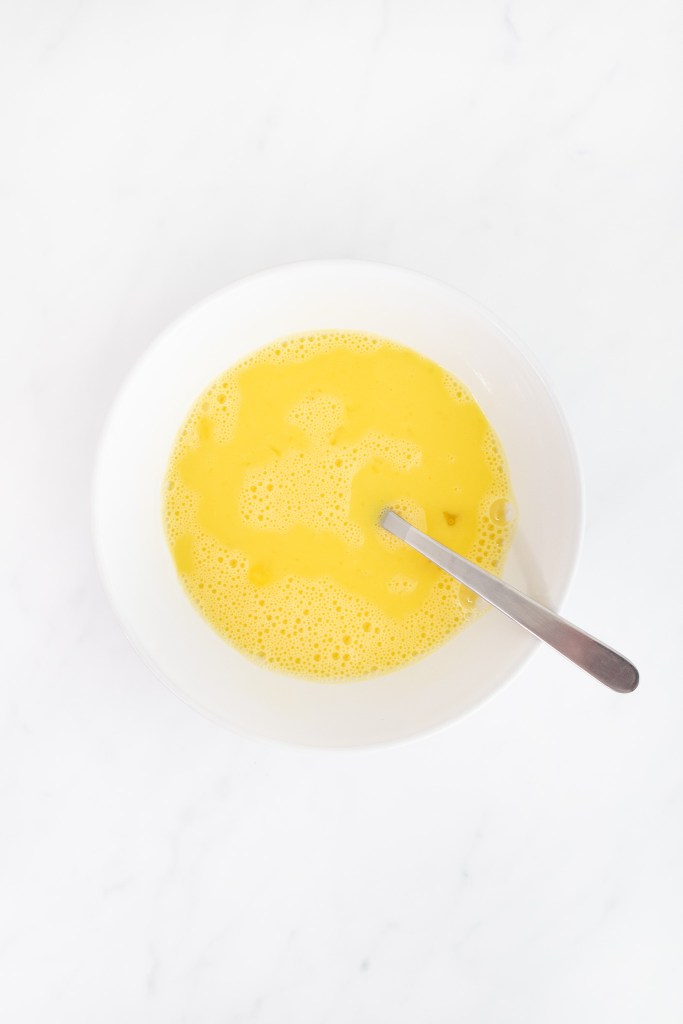
Pour the eggs into the cream cheese mixture and continue to mix on medium speed until well combined.
Next, add in the sour cream, pumpkin puree, vanilla, salt, cinnamon, ginger, nutmeg, and cloves. Mix until well combined, again being sure to scrape down the sides and bottom of your bowl to ensure everything is well combined and smooth.

Pour the mixture into the springform pan over the cooled crust. Gently tap the pan on the countertop to help remove any air bubbles. (You can also use a toothpick or sharp knife to pop any small air bubbles that form on the surface.)
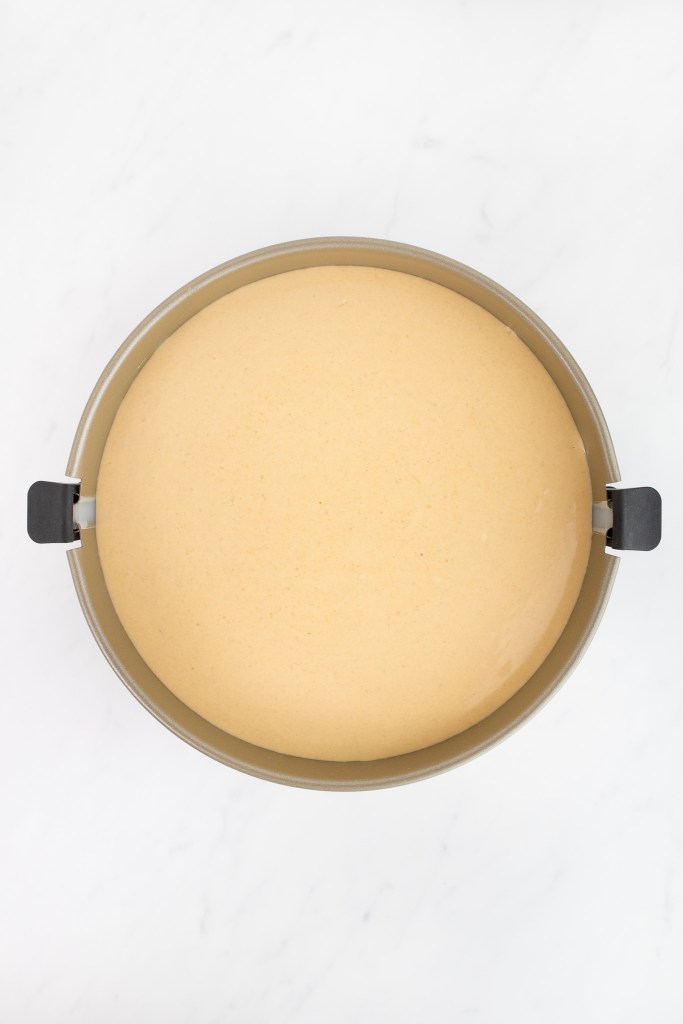
Set the springform pan into a large roasting pan and pour in boiling water until it reaches 1″ up the side of the springform pan.
Pro tip: If you do not have a waterproof springform pan or are worried about water leaking into your pan, you can place your springform pan directly on the middle rack of your oven and a frying pan filled with boiling water just below the cheesecake on the lower wrack.
Carefully set the entire water bath into the center of the oven. Bake for about 75 to 90 minutes, until the cheesecake has a slight “wobble” in the center (about 3″ from the middle). (It should not flow like a liquid.)
Note: Baking time can vary greatly depending on the oven. I recommend keeping a close eye on the cheesecake around the 70-minute mark. Generally speaking, for a soft and delicate cheesecake, bake for 70 to 80 minutes. For a more firm cheesecake, bake for 80 to 90 minutes.
When done, turn off the oven, but keep the cheesecake and water bath inside the oven, with the door slightly ajar. Allow to cool slowly for 1 hour (this helps prevent it from cracking). After 1 hour, remove the springform pan from the water bath and set on a wire rack to allow it to cool completely (at room temperature).
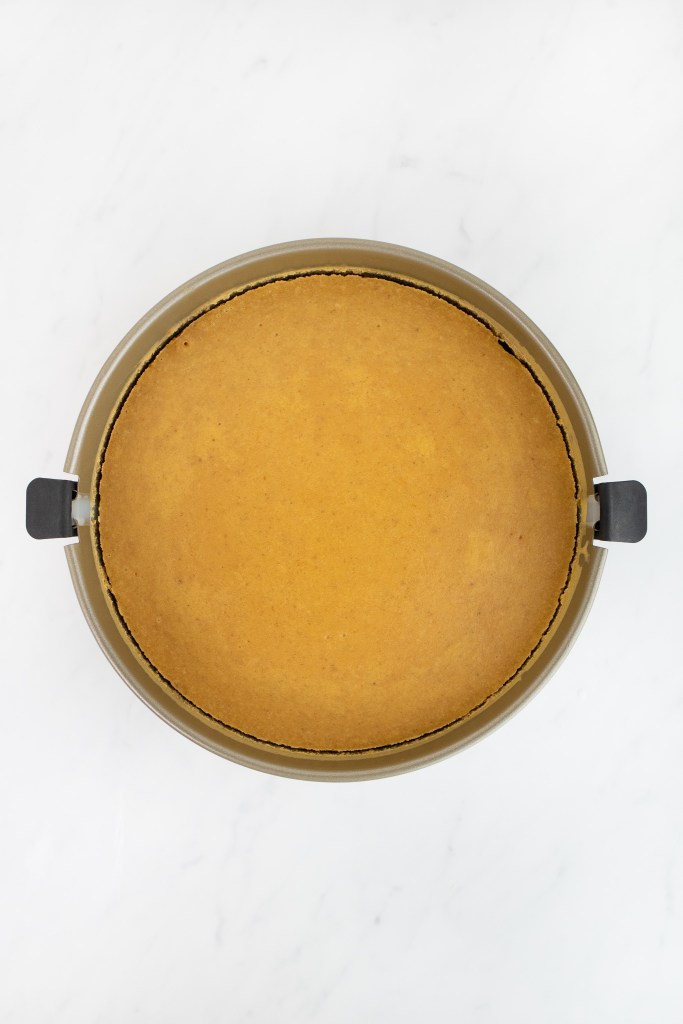
Cover the top of the springform pan with paper towel (to help reduce moisture), then wrap tightly in plastic wrap and set it in the fridge to chill overnight (ideally, at least 24 hours). Do not remove the cheesecake from the springform pan until it is chilled and fully set.
Pro tip: Cheesecake improves in both flavor and texture the longer it sits in the fridge. I recommend making the cheesecake a day or two ahead for best results!
Preparing the Whipped Cream (for serving)
In a large bowl using a handheld mixer, add in the whipping cream, vanilla, and powdered sugar, and mix on high speed until stiff peaks form. Serve immediately so the cream does not deflate.
Pumpkin Cheesecake (with Biscoff Cookie Crust)

Ingredients
For the Biscoff Cookie Crust (see Notes for Graham Cracker Crust substitute)
- 2 cups Biscoff crumbs (approx. 1 sleeve, or 250g)
- 5 Tbsp unsalted butter, melted
For the Pumpkin Cheesecake
- 24 oz (3 blocks) full-fat cream cheese, at room temperature
- ¾ cup granulated sugar
- ½ cup dark brown sugar, packed
- 1 Tbsp cornstarch
- 3 large eggs, at room temperature
- 2 large egg yolks, at room temperature
- ½ cup sour cream, at room temperature
- 1 cup pumpkin purée
- 1 ½ tsp pure vanilla extract
- ½ tsp kosher salt (I use Diamond Crystal)
- 1 tsp ground cinnamon
- ½ tsp ground ginger
- ¼ tsp ground nutmeg
- ⅛ tsp ground cloves
For the Whipped Cream (optional; for serving)
- 1 cup heavy whipping cream, chilled
- ½ tsp pure vanilla extract
- 2 Tbsp powdered (icing) sugar
Equipment
Instructions
Preparing the Biscoff Cookie Crust
- Preheat the oven to 350℉.
- In a food processor, pulse the Biscoff cookies until they form crumbs (but not a fine powder). Alternatively, place the cookies in a large resealable bag and use a rolling pin to break them into crumbs.
- In a large bowl, combine the Biscoff crumbs and melted butter. Stir together with a fork until evenly moistened. (Note: The mixture should have the texture of wet sand.)2 cups Biscoff crumbs5 Tbsp unsalted butter, melted
- Sprinkle ⅓ to ½ of the mixture around the outer edge of a 9” waterproof springform pan, pressing it gently into the sides of the pan to form an edge about 1” high.Pro tip: I use the side of a measuring cup to help press the crust in smoothly.
- Sprinkle the remaining Biscoff mixture evenly across the bottom of the springform pan and gently press it down to form a uniform layer.
- Set the pan in the center of the preheated oven and bake the crust until it just begins to brown (about 10 to 15 minutes). Transfer the pan to a wire rack to cool while preparing the cheesecake filling.
Preparing the Pumpkin Cheesecake Filling
- Reduce the oven temperature to 325℉ and prepare a large pot or kettle of boiling water (you'll need it later for the water bath).
- In the bowl of a stand mixer fitted with the paddle attachment (or in a large bowl using an electric hand mixer), mix the cream cheese on medium speed until smooth and creamy, scraping down the paddle attachment and the sides and bottom of the bowl as necessary.Pro tip: To prevent lumps from forming, ensure that the cream cheese is at least room temperature (if not slightly warm). To warm cream cheese quickly, cut each block into quarters and warm in the microwave for 15- to 20-second intervals until it reaches the desired temperature and consistency.24 oz (3 blocks) full-fat cream cheese, at room temperature
- In a medium sized bowl, whisk together the granulated sugar, brown sugar, and cornstarch until no lumps remain.¾ cup granulated sugar1/2 cup dark brown sugar, packed1 Tbsp cornstarch
- Pour the sugar/cornstarch mixture into the bowl with the cream cheese. Continue mixing on medium speed until perfectly smooth, again scraping down the paddle attachment and the sides and bottom of the bowl as necessary.
- In a small bowl, whisk together the whole eggs and egg yolks with a fork.3 large eggs, at room temperature2 large egg yolks, at room temperature
- Pour the whisked eggs into the cream cheese mixture and continue mixing on medium speed until well combined.
- Add in the sour cream, pumpkin purée, vanilla, salt, cinnamon, ginger, nutmeg, and cloves. Mix until smooth and well combined, again scraping down the paddle attachment and the sides and bottom of your bowl, as necessary.½ cup sour cream, at room temperature1 cup pumpkin purée1 ½ tsp pure vanilla extract½ tsp kosher salt1 tsp ground cinnamon½ tsp ground ginger¼ tsp ground nutmeg⅛ tsp ground cloves
- Pour the mixture into the springform pan over the cooled crust. Gently tap the pan on the countertop to release any air bubbles. (You can also use a toothpick or sharp knife to pop any small air bubbles that appear on the surface.)
- Set the springform pan in a large roasting pan. To create a water bath, carefully pour enough boiling water into the roasting pan until it reaches about 1" up the sides of the springform pan.Pro tip: If your springform pan isn't waterproof or you're worried about water leaking into your pan, place the springform pan directly on the middle oven rack and put a frying pan filled with boiling water on the lower rack just beneath the cheesecake.
- Carefully set the entire water bath into the center of the oven. Bake until the cheesecake has a slight "wobble" in the center (about 3” from the middle) when gently shaken (about 75 to 90 minutes). (Note: It should not flow like a liquid.)Pro tip: Baking time can vary greatly depending on the oven. I recommend keeping a close eye on the cheesecake around the 70-minute mark. Generally speaking, for a soft and delicate cheesecake, bake for 70 to 80 minutes. For a more firm cheesecake, bake for 80 to 90 minutes.
- When done, turn off the oven, but leave the cheesecake and water bath inside the oven with the door slightly ajar. Allow it to cool slowly in the oven for 1 hour (this helps to prevent cracking). After 1 hour, remove the springform pan from the oven and water bath, and set it on a wire rack at room temperature to cool completely.
- Cover the top of the springform pan with paper towel (to help reduce moisture), then wrap it with plastic wrap and place it in the fridge to chill overnight (ideally for at least 24 hours). Do not remove the cheesecake from the springform pan until it has chilled and fully set.Pro tip: Cheesecake improves in both flavor and texture the longer it sits in the fridge. For best results, I recommend making the cheesecake a day or two ahead.
Preparing the Whipped Cream (for serving)
- In a large bowl, combine heavy whipping cream, vanilla, and powdered sugar. Using an electric hand mixer, beat on high speed until stiff peaks form. Serve immediately to prevent the whipped cream from deflating.1 cup heavy whipping cream, chilled½ tsp pure vanilla extract2 Tbsp powdered (icing) sugar
Notes
- Substitute with a Graham Cracker Crust: Biscoff cookies behave differently from graham crackers when baked because of their higher fat and sugar content. For a graham cracker crust alternative, check out my Classic Cheesecake recipe.