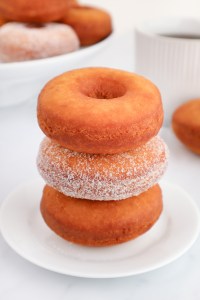
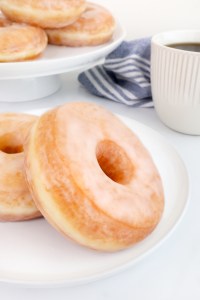
Homemade cake donuts come together quite quickly with just a few simple ingredients you probably already have in your pantry. That said, getting the shaping and frying just right can make all the difference — transforming donuts from dense and dry to tender, light, and perfectly crisp. Below, I’ve compiled a list of frequently asked questions, complete with tips and tricks to help you achieve the perfect homemade donuts, every time.
FAQ:
Why did my old-fashioned donuts crack?
Old fashioned donuts naturally develop some surface cracks, which is normal. However, excessive cracking usually occurs when the dough is too cold or the oil is too hot, causing the outside to set before the inside expands. To prevent this, let your dough come closer to room temperature and monitor your frying oil carefully.
Why are my cake donuts dry or dense?
There are several reasons why cake donuts may come out dry or dense:
- Too much flour: Adding extra flour makes the dough stiff and can prevent the donuts from fully puffing up when fried.
- Overworked dough: Overmixing or over-rolling the dough develops gluten, which can result in small, dense, or tough donuts.
- Donuts cut too thin: Thin donuts fry quickly and can easily become overcooked and dry. I recommend a thickness of about ½ inch.
- Oil too hot: When the oil is too hot, the outer crust cooks too quickly, which can prevent the donuts from expanding or can leave them overcooked on the outside and undercooked on the inside.
- Dough too cold: Cold dough can also prevent the donuts from puffing up. If the dough feels cold and overly firm to the touch, I recommend letting it rest for 5 to 10 minutes before frying.
- Freshness matters: Homemade donuts don’t contain special dough conditioners that commercial bakeries use to prevent donuts from drying out over time. For the best taste and texture, enjoy them fresh — ideally within the first 36 hours.
What temperature should I fry cake donuts at?
I recommend frying cake donuts at 340–350℉ for 90–120 seconds per side, until golden brown. At this temperature range, the donuts puff properly while the exterior cooks slowly, resulting in a soft, moist interior and classic golden-brown crust.
Why do my donuts turn out overly dark or uneven in color?
Uneven or overly dark donuts are typically caused by:
- Hot spots in the oil: Gently stir the oil as it is heating up and rotate the donuts while frying
- Oil temperature too high: If the oil is too hot, the outside of the donut browns before the inside cooks fully, resulting in a dark exterior and undercooked interior.
- Uneven dough thickness: Roll the dough as evenly as possible. Thinner areas brown faster than thicker ones, which can lead to uneven browning.
- Excess flour on the surface: Brush or shake off any excess flour before frying, as the flour will begin browning faster and can prevent proper crust formation.
Can I make old-fashioned donuts ahead?
I don’t recommend frying old-fashioned donuts ahead of time, as homemade donuts are best enjoyed fresh and will naturally dry out if made too far in advance.
However, you can chill the donut dough in the fridge for up to 2 days before frying. Just let it rest a few minutes at room temperature so it’s not too cold; otherwise, you may end up with dense, dry donuts.

How to Make Old-Fashioned Cake Donuts
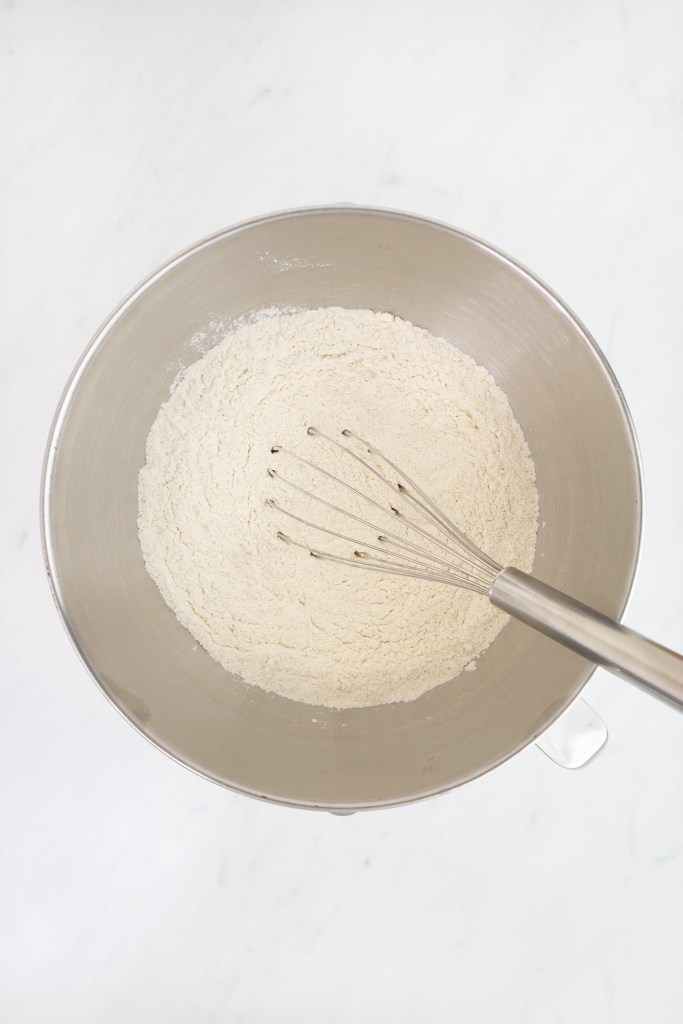
In the bowl of a stand mixer (or in a large bowl, if mixing by hand), whisk together the flour, baking powder, kosher salt, and nutmeg. Set aside.
In a large bowl, whisk together the eggs and sugar until smooth and very pale yellow.
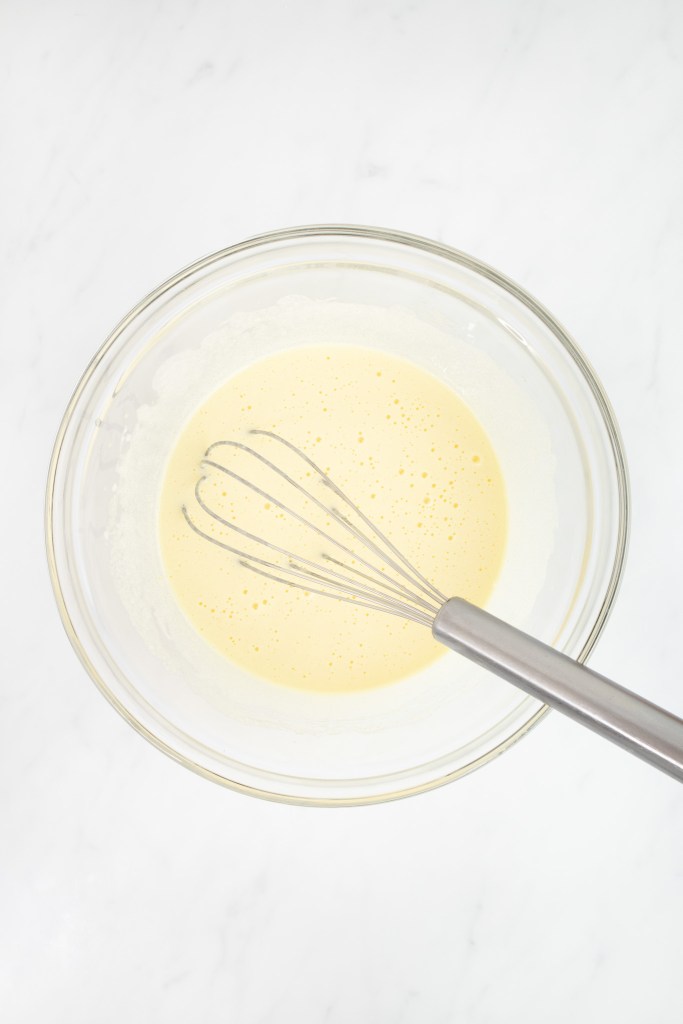
Then, whisk in the milk, vanilla, melted butter, and vegetable oil. Set aside.

Pour your liquid ingredients into the dry ingredients and mix on a low speed using the paddle attachment (or by hand with a rubber spatula) until just combined. Be careful not to overmix!
Note: The dough will be very soft and loose and will initially appear batter-like. This is normal!

Using a rubber spatula, fold the dough 2 to 3 times to ensure it is properly mixed. You should notice the dough begin to come together but still be quite soft.
Note: If the dough doesn’t come together at all, you can sprinkle in an additional 1 to 2 Tablespoons of flour and fold it in with your rubber spatula. However, adding too much flour can make your donuts dense and dry!
Again using your rubber spatula, scrape down the sides of the bowl and form the dough into a rough mass in the bottom of the bowl. (It doesn’t need to be perfect!)

Cover the bowl with plastic wrap and chill the dough in the fridge for 60 minutes.
In the meantime, prepare a baking sheet with parchment paper to place your donuts on before frying.
Near the end of the 60 minutes, start slowly heating a large pot or Dutch oven with at least 2 inches of a light vegetable oil to between 340℉ and 350℉. You can continue to cut and shape the donuts as your oil is heating.
Remove your dough from the fridge and scrape it out onto a lightly floured surface. Using a floured rolling pin, roll out the dough until it is ½” thick.
Note: Be careful not to roll the dough too thin, as this can lead to small, dry, over-fried donuts!
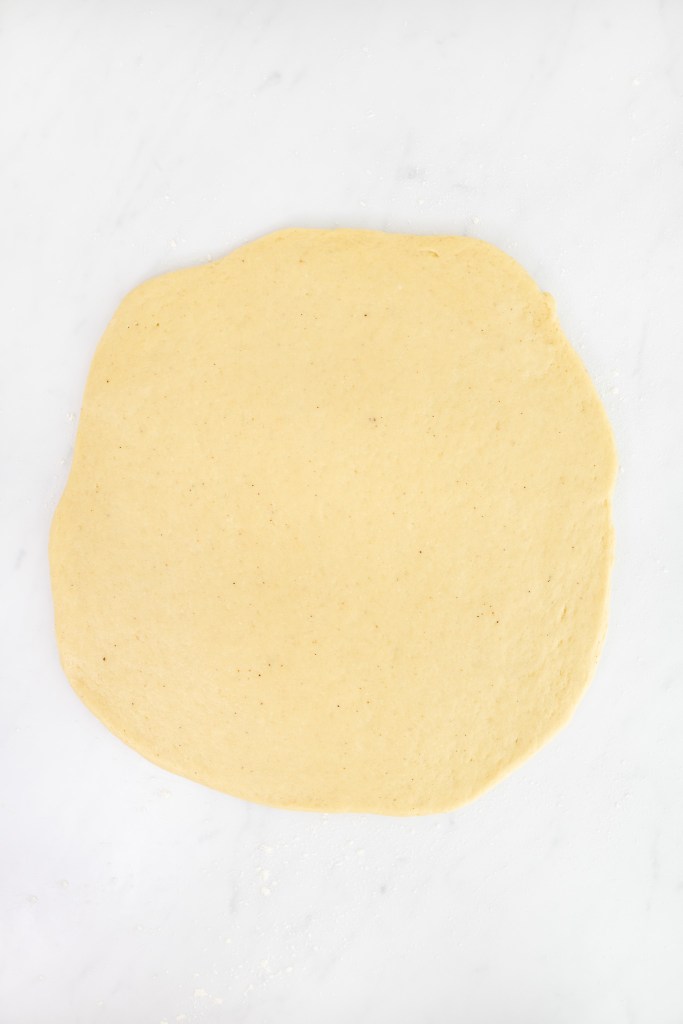
Cut out donuts using a 3-inch donut cutter, brush off any excess flour, and place them onto your prepared baking sheet to prevent them from sticking.
Pro tip: If the dough feels very firm from chilling, let the cut donuts rest 5 to 10 minutes at room temperature so they warm slightly and the gluten relaxes. This helps them puff properly in the oil.
Re-rolling scraps: For best results, form the scraps into a ball and allow the dough to rest 10 to 15 minutes before re-rolling and cutting.
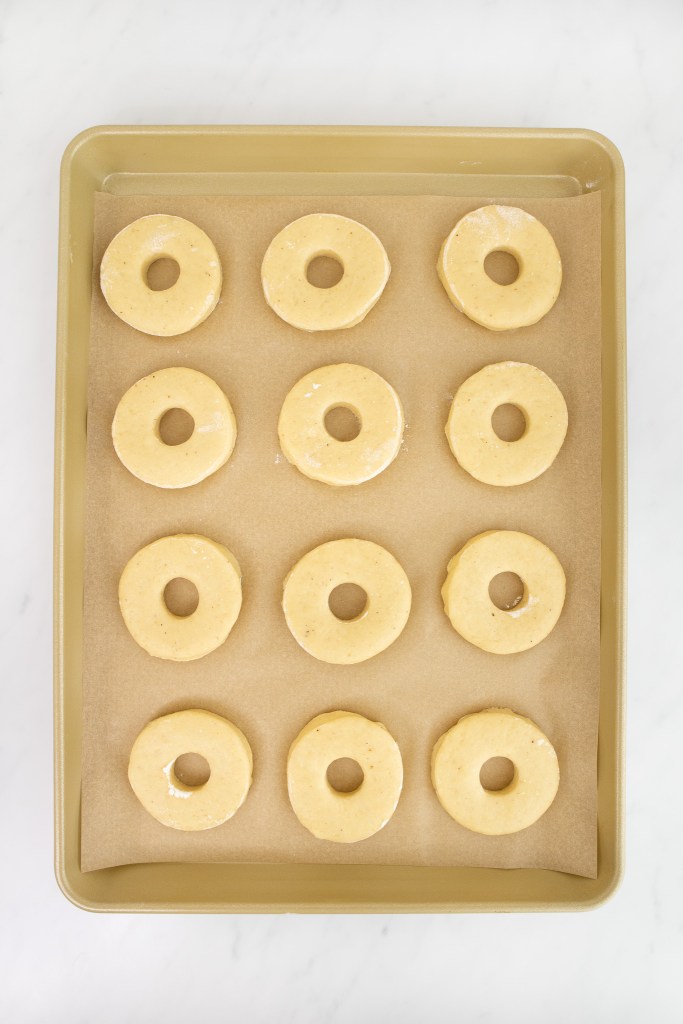
Prepare a wire rack covered with paper towels to absorb excess oil from your cooked donuts. Set aside.
Fry the donuts — 3 to 4 at a time — for 90 to 120 seconds per side, until golden brown. Set the donuts on the prepared wire rack (with paper towels) and allow them to cool.
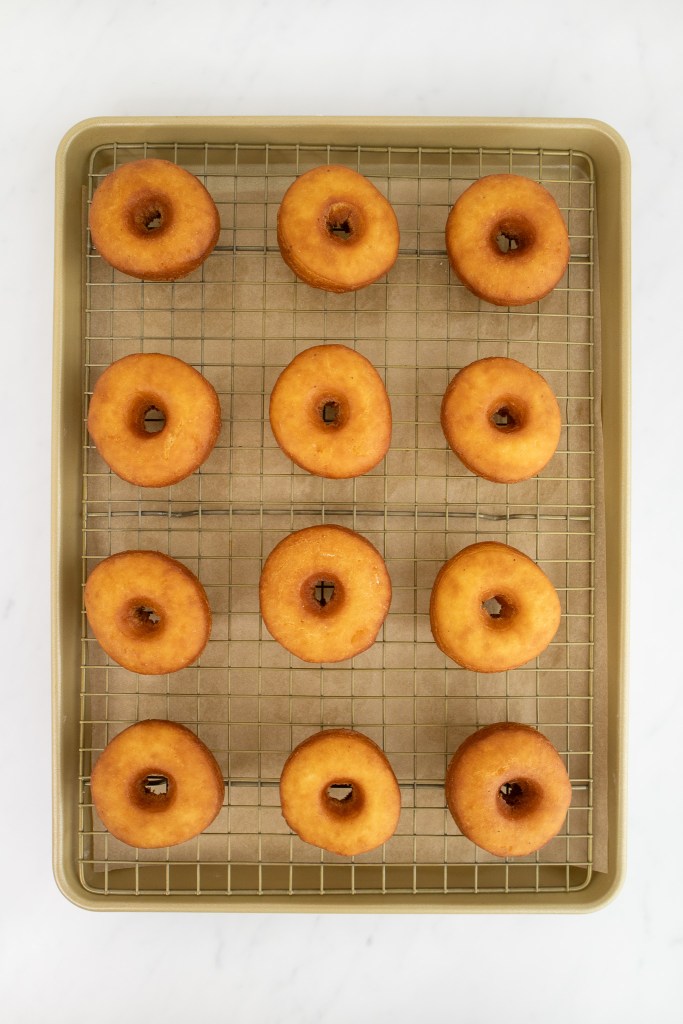
Enjoy the donuts warm, or allow them to cool to room temperature before storing them in an airtight container lined with paper towel (which will help absorb moisture).
Pro tip: Homemade donuts are best served at their freshest (i.e. within the first 36 hours), before they start to dry out.
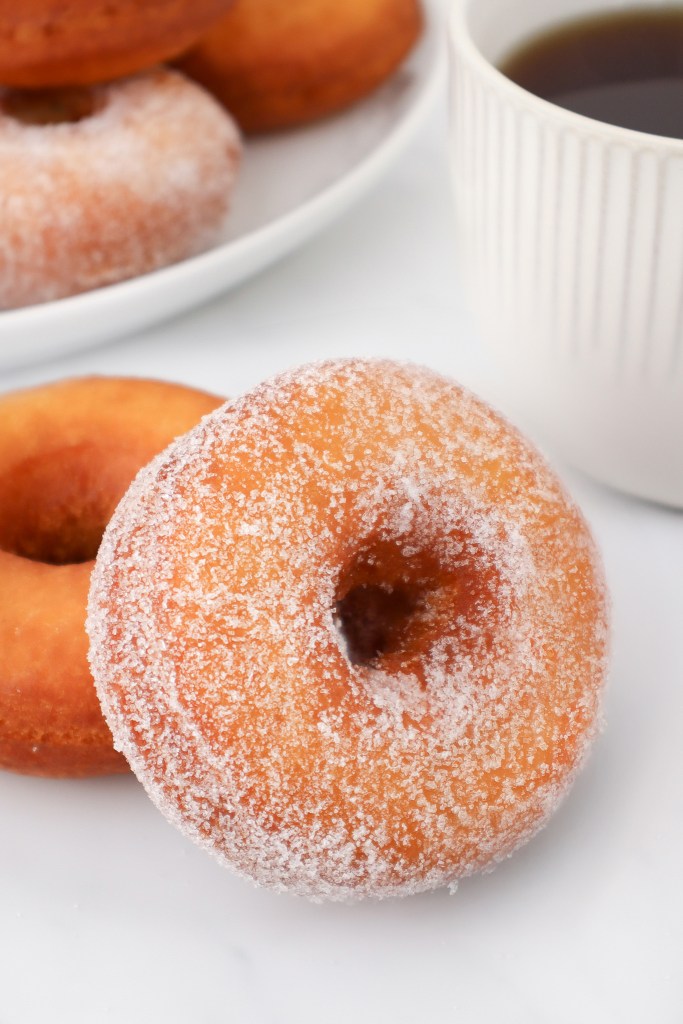
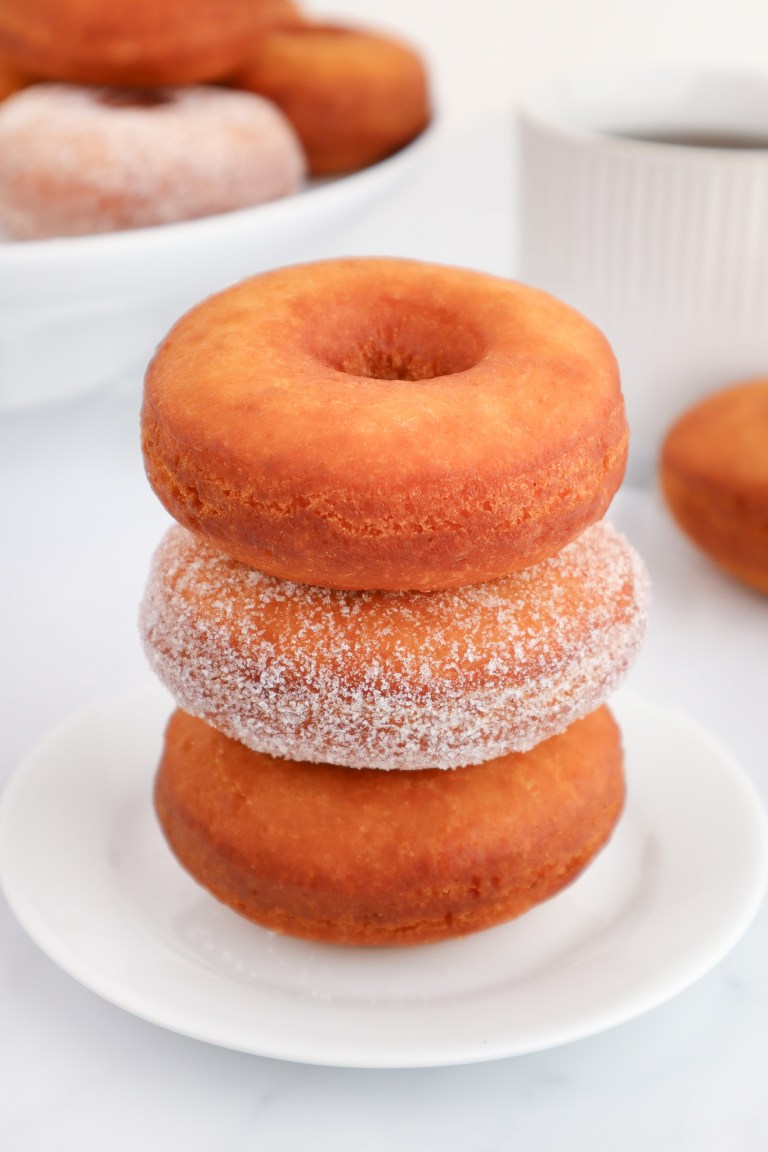
Old-Fashioned Cake Donuts
Ingredients
- 4 cups all-purpose flour (spooned and levelled)
- 3 tsp baking powder
- 1 ½ tsp kosher salt (I use Diamond Crystal)
- ½ tsp ground nutmeg
- 2 large eggs, at room temperature
- 1 cup granulated sugar
- 1 cup whole milk, at room temperature
- 1 tsp pure vanilla extract
- ¼ cup unsalted butter, melted and cooled slightly
- 2 Tbsp vegetable oil
- Additional vegetable oil, for frying (I recommend this one)
Equipment
Instructions
- In the bowl of a stand mixer fitted with the paddle attachment (or in a large bowl, if mixing by hand), whisk together the flour, baking powder, salt, and nutmeg. Set aside.4 cups all-purpose flour3 tsp baking powder1 ½ tsp kosher salt½ tsp ground nutmeg
- In a large bowl, whisk together the eggs and sugar until smooth and very pale yellow.2 large eggs, at room temperature1 cup granulated sugar
- Whisk in the milk, vanilla, melted butter, and vegetable oil. Set aside.1 cup whole milk, at room temperature1 tsp pure vanilla extract¼ cup unsalted butter, melted and cooled slightly2 Tbsp vegetable oil
- Pour the liquid mixture into the dry mixture and mix on low speed (or by hand with a rubber spatula) just until incorporated. Be careful not to overmix.Note: The dough will be very soft and loose and may initially appear batter-like. This is normal!
- Using a rubber spatula, fold the dough 2 to 3 times to ensure it is evenly mixed. You should notice the dough begin to come together, though it will still be quite soft.Note: If the dough doesn’t come together at all, sprinkle in an additional 1 to 2 Tbsp of flour and fold it in with the rubber spatula. However, adding in too much flour can result in donuts that are dense and dry.
- With the rubber spatula, scrape down the sides of the bowl and gather the dough into a rough mass at the bottom of the bowl — it doesn’t need to be perfect!
- Cover the bowl with plastic wrap and chill the dough in the refrigerator for 60 minutes.
- Meanwhile, line a baking sheet with parchment paper (to arrange the donuts on before frying). Set aside.
- Near the end of the 60 minutes, begin slowly heating a large pot (or Dutch oven) with at least 2 inches of light vegetable oil to 340–350℉ on a candy thermometer. (You can continue cutting and shaping the donuts while the oil heats.)
- Remove the dough from the refrigerator and scrape it onto a lightly floured surface. Using a floured rolling pin, roll out the dough to about ½ inch thick.Note: Be careful not to roll out the dough too thin, as this can result in small, dry, over-fried donuts!
- Using a 3-inch donut cutter, cut out the donuts, brush off any excess flour, and place them onto the prepared baking sheet to prevent sticking.Pro tip: If the dough feels very firm from chilling, let the cut donuts rest for 5 to 10 minutes at room temperature. This allows them to warm slightly and the gluten to relax, helping them puff properly in the oil.Re-rolling scraps: For best results, form the scraps into a ball and allow the dough to rest for 10 to 15 minutes before re-rolling and cutting.
- Prepare a wire rack lined with paper towels (to absorb excess oil from the cooked donuts). Set aside.
- Fry the donuts, 3 to 4 at a time, until golden brown (about 90 to 120 seconds per side). Transfer the donuts to the prepared wire rack lined with paper towels and allow them to cool. If desired, roll the fried donuts in sugar while they are still warm (but not hot).
- Enjoy the donuts warm, or allow them to cool to room temperature and store in an airtight container lined with paper towel (to absorb moisture).Pro tip: Homemade donuts are best served at their freshest — within the first 36 hours — before they begin to dry out.