This recipe is a perfect base to which you can add just about anything, and the proportions of the ingredients aren’t overly important.
Over the years, I’ve found that adding two hot Italian sausages (removed from their casings) gives the sauce such a great flavor and the perfect amount of spice. I use actual sausages instead of packaged ground sausage, only because it’s more readily available where we live and any leftover sausages are easy to portion out and freeze for next time.
In terms of spice, you can replace the hot Italian sausages with a milder sausage, or omit the sausage altogether and simply add 2 teaspoons of freshly chopped fennel seeds (the spice that gives Italian sausages their distinct, “sausage-y” flavor) and ¼ teaspoon of red pepper flakes (for a little heat). But we just prefer the added flavor and simplicity of using sausages!
One secret to any great pasta sauce is allowing enough time for it to simmer. I recommend simmering this — or any tomato-based pasta sauce — for at least 45 minutes, but you can always let it go even longer! This allows the flavors to fully develop and meld, and for the sauce to reduce and thicken to the perfect consistency.
Pasta sauce that hasn’t simmered long enough tends to have an acidic taste to it: the sugars in the tomatoes have not yet fully broken down and caramelized. This is why some recipes add sugar (or even carrots) to balance out the acidity. However, I have discovered that a long simmer gives a similar — and even better result — without the added sugar.
TOMATOES
I have found that canned whole San Marzano tomatoes have the best flavor for a red pasta sauce. However, we never seem to have them at our local grocery store — and they can be quite expensive! So, instead, I tend to use the San Marzano “type” or “style” product in a pinch.
It is also important to note that different brands of tomatoes are packed in different liquids and have different sodium contents, which can both affect the flavor and consistency of the sauce. The tomatoes I use for this recipe come in a somewhat thicker tomato purée (even though they were labeled as being packed in “tomato juice”).
When using tomatoes from other brands that come in a more watery “tomato juice”, I drain off some of the excess liquid, to remove any excess water, before dicing the tomatoes. Tomatoes in a watery liquid may require extra simmering time to reduce the sauce to the proper consistency.
WINE
Of course, the wine is optional. However, it really does add an extra something special to a pasta sauce and a rich undertone that I always miss when I leave it out! As for the type of wine, I recommend a full-bodied dry red wine for this recipe. Also, remember that when tasting the sauce immediately after adding wine, it will taste awful because the alcohol has yet to boil off!
FINAL THOUGHTS
On a final note… I wrote this recipe as a basic starting point for that amazing restaurant-style Bolognese sauce, but this recipe is really just a blank canvas.
As always, I recommend adjusting the recipe to suit you and your family’s tastes and preferences. Love garlic? Add more! Hate spice? Use mild Italian sausages instead. Love spice? Add a third sausage or throw in some extra red pepper flakes!
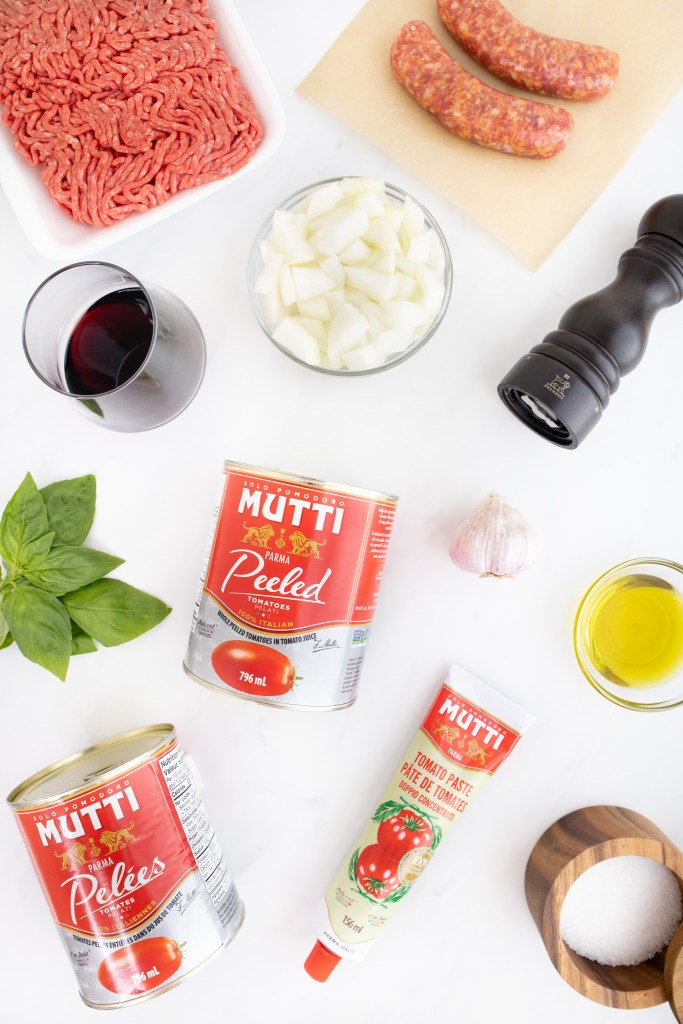
Here’s how I make it!
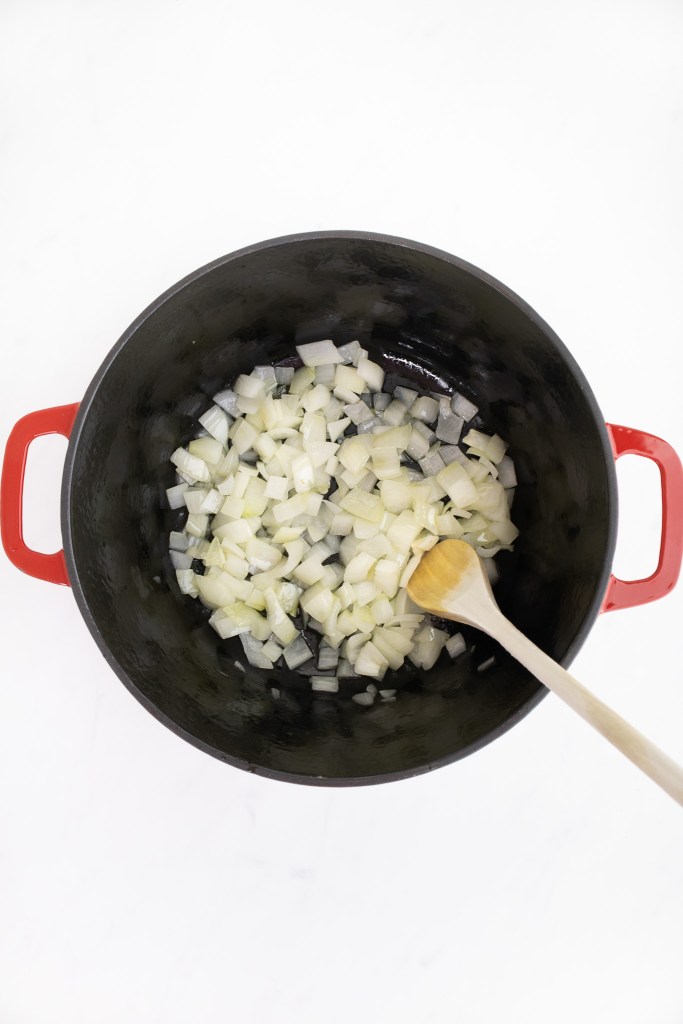
First, in a medium-sized pot or Dutch oven, heat the extra virgin olive oil over moderate heat, then add in the chopped onions. Cook the onions for 2 to 3 minutes, until they are softened.
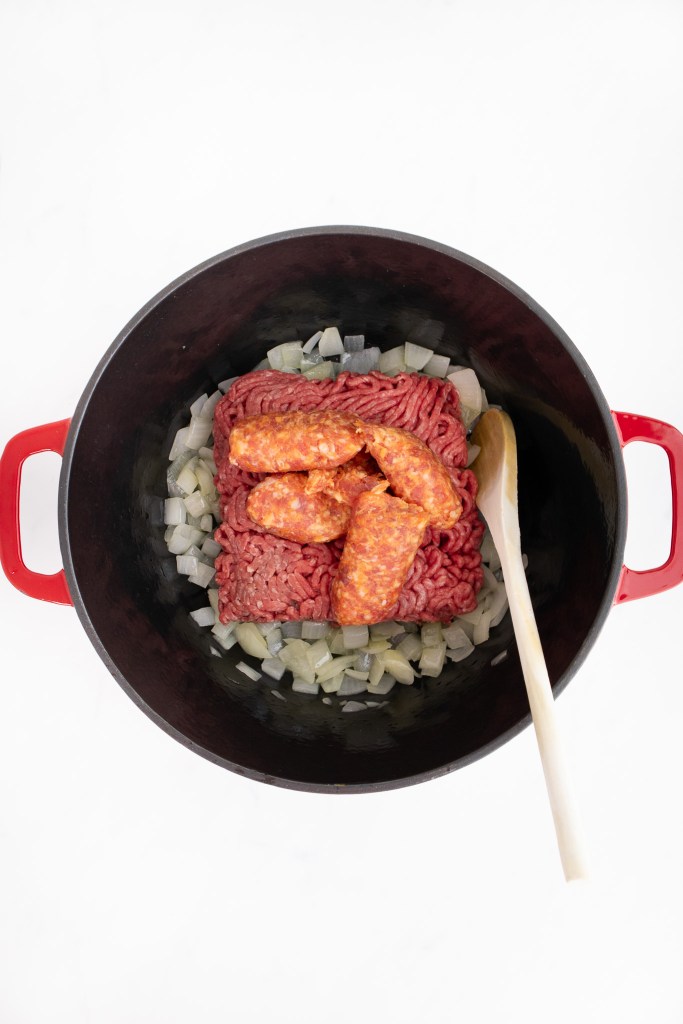
To the pot, add in the ground beef and uncased sausage, breaking up the meat into small pieces with a spoon.
Cook for about 5 to 8 minutes, until the meat is fully cooked and no pink remains.
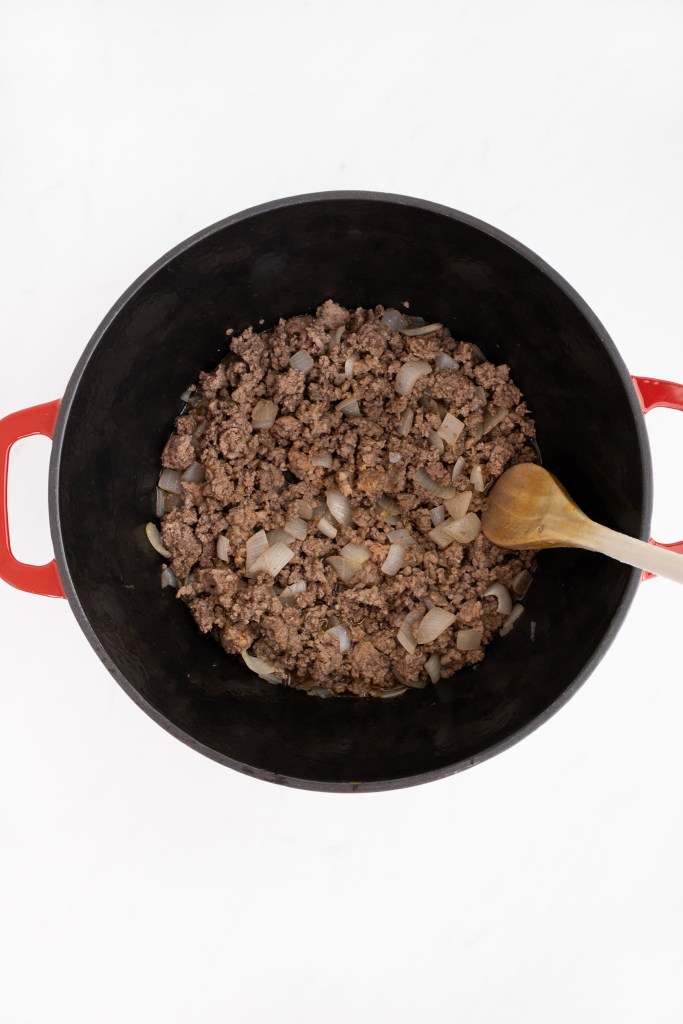
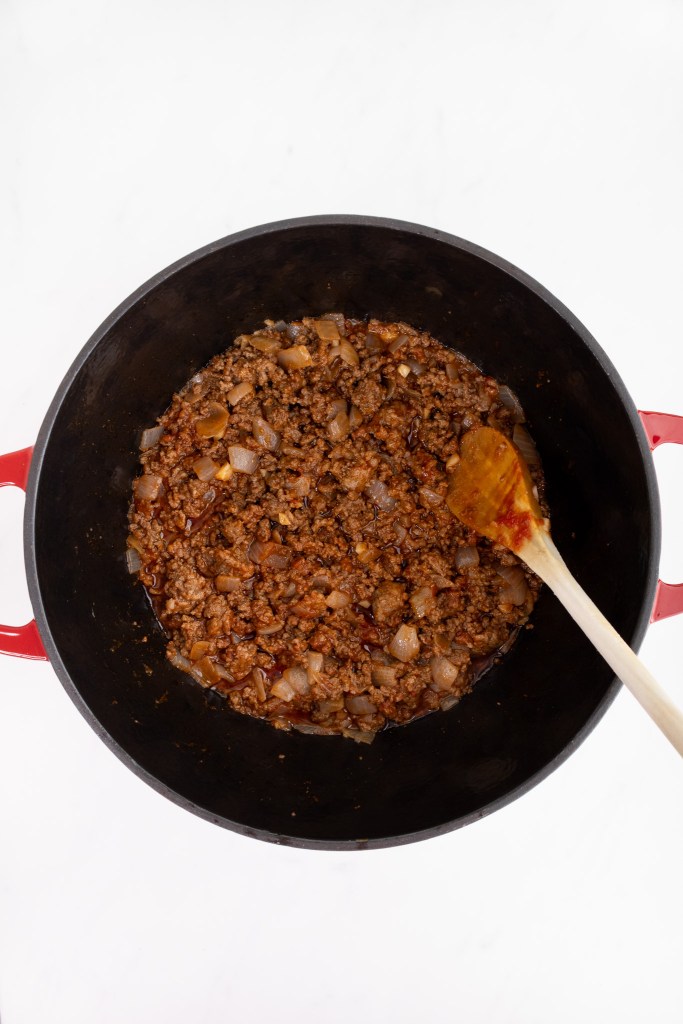
Next, stir in the tomato paste and cook for about 1 to 2 minutes.
Add in the chopped garlic and cook for another minute or so, until it is fragrant.
Depending on how the tomatoes came packed, drain any excess liquid from the tomato cans.
Then, on a plate, dice the tomatoes.
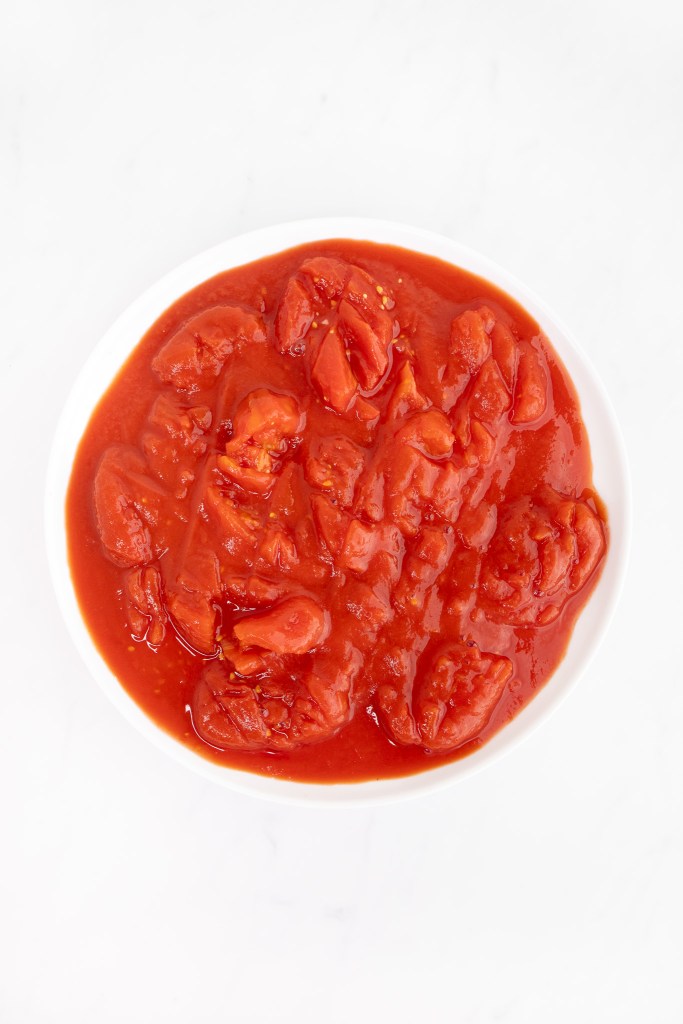
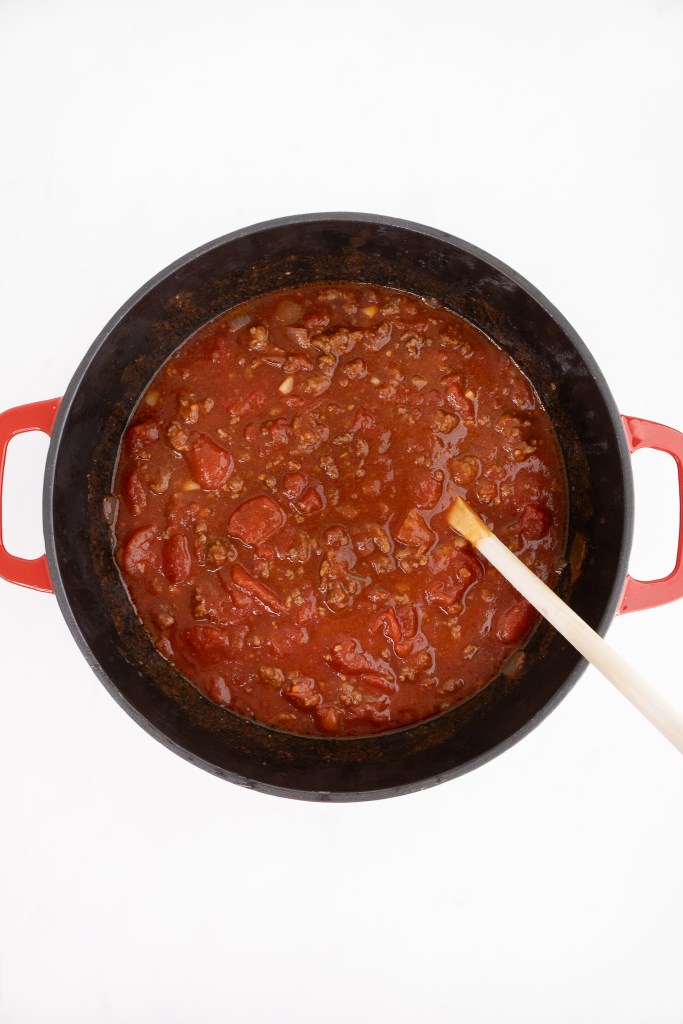
To the pot, add in the diced tomatoes, together with any remaining purée or juices.
Stir in the salt, pepper, and red wine, then bring the sauce to a boil.
Reduce the heat to medium-low and allow the sauce to simmer, uncovered, for about 45 minutes, until the sauce reduces and becomes richer in color.

Finally, stir in the julienned basil and taste the sauce, checking for proper seasoning.
Meanwhile, in a large pot, bring 4 to 6 quarts of salted water to a boil.
Add in the spaghetti noodles and cook them according to the instructions on the package. Drain the pasta and return it to the pot.
Pour the Bolognese sauce over the pasta and toss to combine.
Serve hot, sprinkling freshly grated parmesan cheese and any extra basil generously over pasta.
Buon appetito!
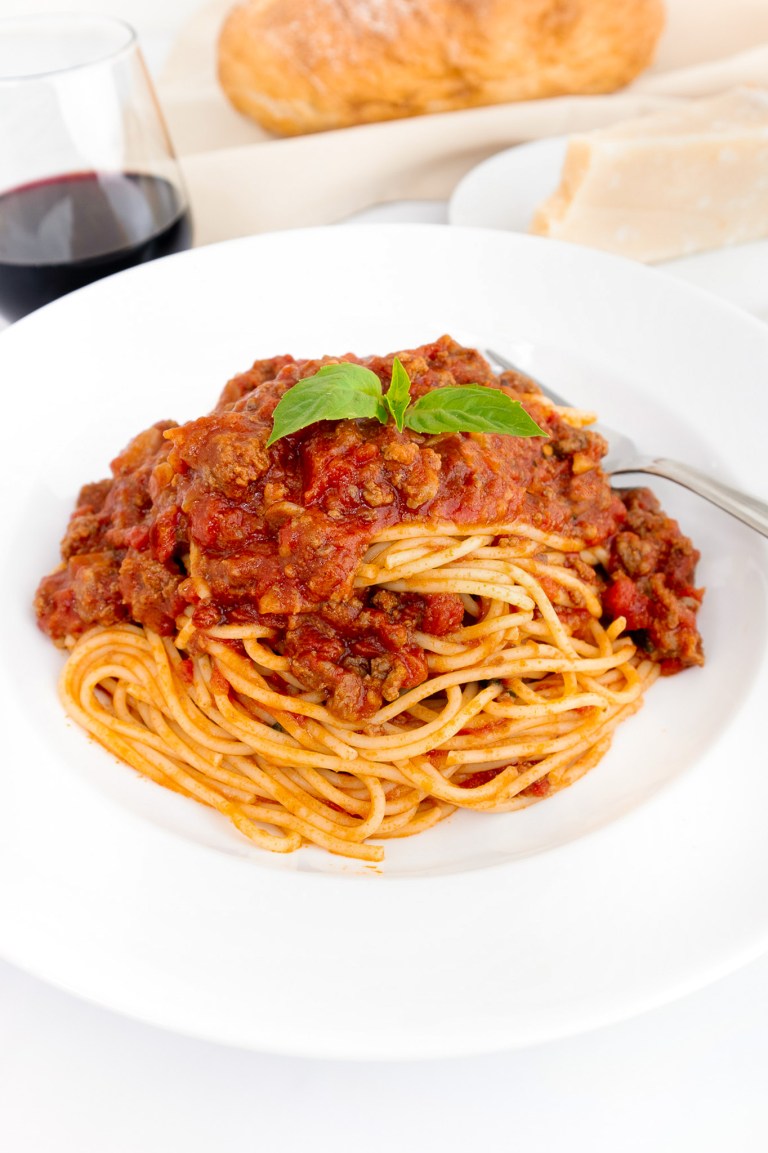
Easy Spaghetti Bolognese
Ingredients
- 2 Tbsp extra virgin olive oil
- 1 medium onion, chopped
- 1 lb ground beef
- ¾ lb hot Italian sausages, uncased (or mild; see Note, below)
- ⅓ cup tomato paste
- 4 cloves of garlic, peeled and minced
- 2 28-ounce cans whole peeled tomatoes in purée (preferably San Marzano)
- 1 Tbsp kosher salt (I use Diamond Crystal)
- ½ tsp ground black pepper
- ½ cup red wine (full-bodied and dry)
- ¼ cup fresh basil, julienned (plus more for serving)
- 1 lb (454 g) spaghetti
- Parmesan cheese, freshly grated (for serving)
Instructions
- In a large pot or Dutch oven, heat extra virgin olive oil over moderate heat. Add in chopped onions and cook until slightly softened (about 2 to 3 minutes).2 Tbsp extra virgin olive oil1 medium onion, chopped
- Add in the ground beef and uncased sausage, breaking up the meat into small pieces with a spoon. Cook the meat until fully cooked and no pink remains (about 5 to 8 minutes).1 lb ground beef¾ lb hot Italian sausages, uncased
- Stir in the tomato paste and minced garlic. Cook until garlic is fragrant (about 2 to 3 minutes).⅓ cup tomato paste4 cloves of garlic, peeled and minced
- Meanwhile, drain any excess liquid from the tomato cans (see Note below). On a plate, dice the tomatoes.2 28-ounce cans whole peeled tomatoes in purée
- Add in the diced tomatoes, together with any remaining purée or juices.Pro tip: Some canned tomatoes are packed in tomato juice, and others in tomato purée. If the liquid the tomatoes are packed in is watery, drain out the excess liquid or simmer for a bit longer to reduce the sauce. You can skip this step if your tomatoes are packed in purée.
- Stir in the salt, pepper, and red wine.1 Tbsp kosher salt½ tsp ground black pepper½ cup red wine
- Bring the sauce to a low boil, then reduce heat to medium-low and simmer, uncovered, until the sauce reduces, thickens, and becomes richer in color (about 50 minutes).Pro tip: Simmering the sauce for at least 50 minutes allows the sugars in the tomatoes to break down and caramelize, leading to a deeper flavor and thicker consistency. Tomato-based sauces that haven't been allowed to simmer long enough tend to have an acidic taste. If you find your sauce still has an acidic taste, you can simmer it for longer or stir in 1–2 teaspoons of granulated sugar.
- Stir in the basil.¼ cup fresh basil, julienned
- Taste sauce, and check for proper seasoning.
- Meanwhile, bring 4 to 6 quarts of salted water to a boil in a large pot. Add in spaghetti and cook according to the instructions on the package. Drain spaghetti and return it to the pot.1 lb (454 g) spaghetti
- Pour sauce over spaghetti and toss to combine.
- Serve hot, passing freshly grated parmesan cheese and extra basil generously over pasta, as desired.Parmesan cheese, freshly grated
Notes
- Tomatoes: Some canned tomatoes are packed in tomato juice, and others in tomato purée. If the liquid the tomatoes are packed in is watery, drain out the excess liquid or simmer for a bit longer to reduce the sauce. You can skip this step if your tomatoes are packed in purée.
- Sausage: You can easily replace the hot Italian sausages with more mild-flavored sausages, as desired — although I don’t find that using hot Italian sausages makes the sauce particularly spicy. (You can also replace the sausages altogether with ¾ lb ground beef, 2 tsp freshly chopped fennel seeds, and ¼ tsp red pepper flakes.)
- Taste as you go! Different brands of sausage, tomatoes, and cheeses contain different amounts of salt and spices. Always be sure to taste and adjust as you move through a recipe to get it just right!